
Anti-Inflammatory Foods: Building a Plate That Calms
Key takeaways
- An overall eating pattern lowers inflammation markers; no single food does it.
- It is the Mediterranean shape again: fish, produce, olive oil, legumes and fibre.
- Omega-3s, polyphenols and fibre-fed gut microbes do the calming work.
- Sugary drinks, processed meat, refined carbs and heavy alcohol fuel the fire.
- Food is one lever; sleep, movement and stress sit beside it, not behind it.
The term anti-inflammatory diet gets slapped on everything. Strip the marketing and a consistent, pleasant eating pattern remains, with real research behind it.
The pattern, not the potion
The phrase anti-inflammatory diet gets stamped on everything from teas to expensive powders, so it helps to strip away the marketing. What the research actually points to is not a magic food but a whole pattern of eating. Diets that score low on inflammatory indexes share a recognisable shape: abundant vegetables and fruit, oily fish, olive oil, nuts, legumes, whole grains, herbs and spices, with little ultra-processed food, processed meat and added sugar.
Studies associate this pattern with lower inflammatory markers such as CRP. If that description sounds like the Mediterranean diet yet again, that is because it is, and the evidence keeps voting for it across different health outcomes. The takeaway is liberating: you are building a plate and a habit, not hunting for a single potion.
The star players
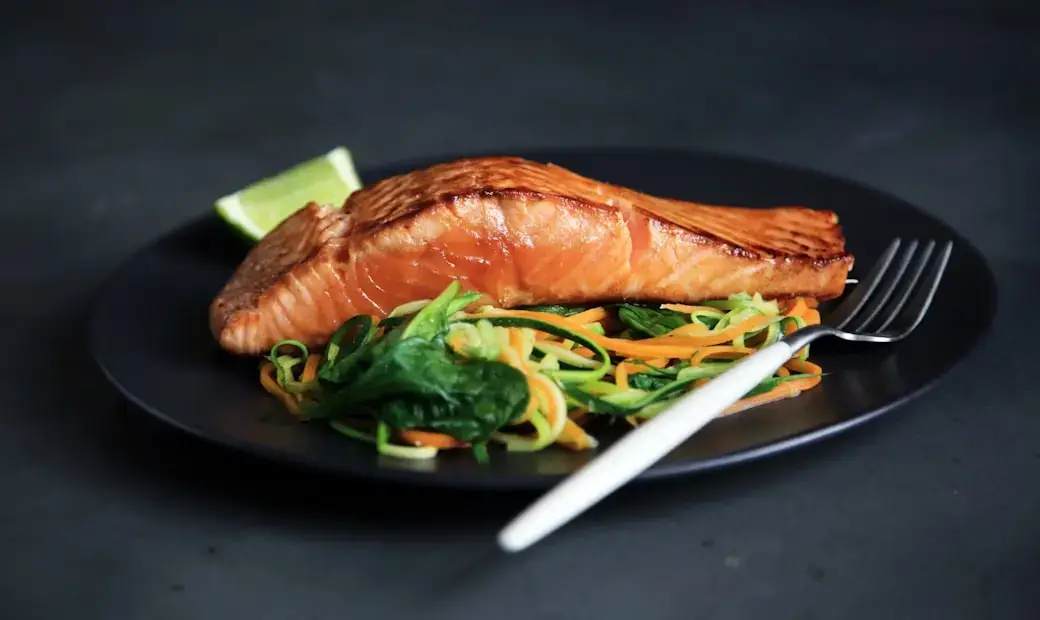
Within that pattern, a few foods pull real weight. Oily fish bring omega-3s, which are direct participants in the body's process of resolving inflammation, not just vague health boosters. Colourful produce supplies polyphenols and carotenoids, with berries, leafy greens and tomatoes scoring especially high.
Some pantry staples earn their reputation too. Extra-virgin olive oil contains a compound called oleocanthal that shows ibuprofen-like activity in lab studies, and turmeric, ginger and garlic add plausible support. There is also a quieter pathway worth knowing: fibre feeds the gut microbes that produce their own anti-inflammatory compounds, so a fibre-rich plate calms inflammation from two directions at once.
What promotes the fire
Just as useful is knowing what fuels the fire, so you can dial it down. The pro-inflammatory lineup is predictable: regular sugary drinks, processed meats, refined-carbohydrate-heavy patterns, trans fats and chronic heavy alcohol. These are worth reducing rather than obsessing over eliminating.
Keep it in proportion, though. One indulgence changes nothing, because it is the daily, repeated pattern that shapes your inflammatory baseline over months. And food is only one lever among several. Sleep, regular movement and stress management sit beside diet, not behind it, and neglecting them while chasing the perfect anti-inflammatory smoothie misses most of the picture.
Frequently asked questions
What are the best anti-inflammatory foods?
There is no single one; it is the pattern that matters. Vegetables and fruit, oily fish, olive oil, nuts, legumes, whole grains and spices, in a Mediterranean-style shape, are associated with lower inflammatory markers.
Which foods increase inflammation?
Regular sugary drinks, processed meats, refined-carbohydrate-heavy diets, trans fats and chronic heavy alcohol. It is the daily pattern that counts, so occasional treats matter far less than what you eat most days.
Can diet alone reduce inflammation?
Diet is a powerful lever but not the only one. Sleep, regular movement and stress management each independently lower inflammatory load, so the best results come from combining them rather than relying on food alone.
This article is for general informational purposes only and is not medical advice. Always consult a qualified healthcare professional about your individual situation, and never start or stop a medication without your doctor. See our Medical Disclaimer.