Staying active and pain-free matters more with every decade. We examine joint health with a realistic, evidence-informed lens.
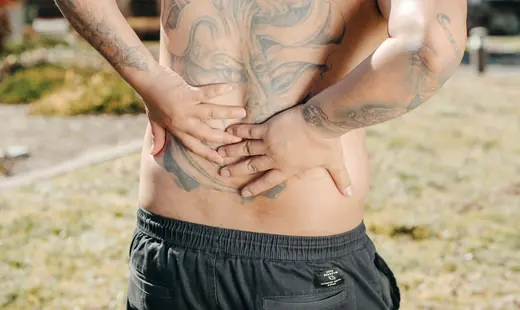
Most back pain improves within weeks, and the standard responses of rest and imaging often make things worse. Here is what guidelines recommend, and the red flags that change the picture.
Read article
Heel pain that is worst on the first steps of the morning has a specific cause and a specific fix. Here is what works, what is oversold, and why it takes longer than anyone wants.
Read article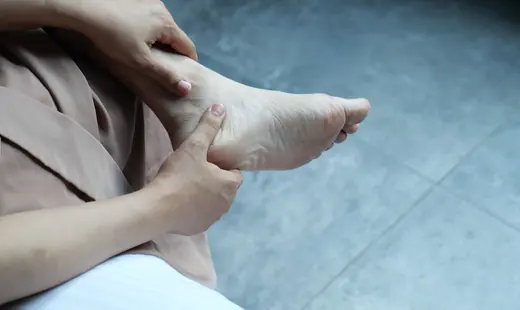
Gout is the most common inflammatory arthritis and one of the most misunderstood. Here is what really drives uric acid up, which diet changes matter, and why diet alone is rarely enough.
Read article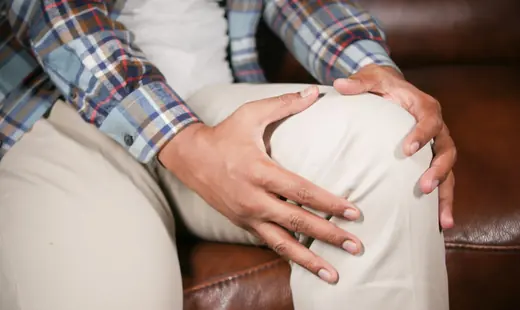
Glucosamine and chondroitin are the go-to joint supplements. Here is what the mixed evidence really shows, whether they are worth trying, and what helps more.
Read article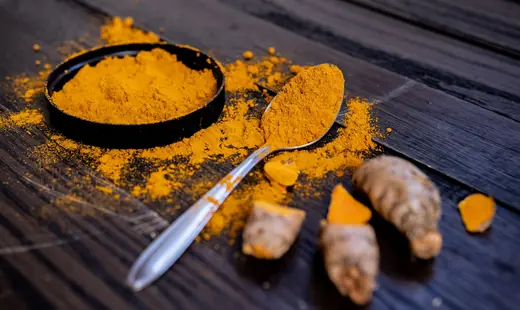
Turmeric is one of the few supplements where the hype meets real evidence for joint pain. Here is what curcumin does, the absorption catch, and how to use it.
Read article
Ice and heat both ease joint pain, but they work in opposite ways and fit different situations. Here is a practical, evidence-informed guide to picking the right one.
Read article
The best posture is your next posture: modern back science versus old sitting-straight rules.
Read article
Glucosamine, collagen, omega-3, turmeric: an honest tour of the joint-supplement aisle.
Read article
Ten minutes a day to move better: a realistic mobility routine for desk workers and beyond.
Read article
Cracking knuckles, wearing out joints, weather pain: which beliefs hold up and which do not.
Read article
The most common joint complaint, decoded: causes, self-care that works, and red flags.
Read article
How joints change over time and the habits that help you stay mobile and comfortable, with a realistic look at supplements.
Read articleAll content is evidence-informed and for general information only, not medical advice. We may earn an affiliate commission on some links, which never affects our editorial conclusions.