
Best Probiotics for Bloating and Gas: What the Evidence Says
Key takeaways
- The best probiotics for bloating and gas are strain-specific, and results vary widely between people.
- British guidance says probiotics may help IBS symptoms and suggests a trial of up to 12 weeks; US guidance found the evidence too inconsistent to recommend them.
- Studied options include Bifidobacterium infantis 35624, Bacillus coagulans, Lactobacillus plantarum 299v and some multi-strain products.
- Try one named strain at a time for 4 to 12 weeks, keep a symptom diary, and stop if there is no benefit.
- Treating constipation, a dietitian-led low FODMAP diet and peppermint oil often help bloating more than probiotics.
Bloating is one of the most common digestive complaints there is, and probiotics are one of the most common things people buy to fix it. The shelves suggest a simple answer: pick a probiotic, feel less swollen. The research tells a more complicated story. Some strains help some people, many products do little, and the leading gastroenterology bodies do not even agree on how strongly to recommend them. Here is how to make sense of it.
Do probiotics for bloating and gas work? The short answer
Sometimes, modestly, and it depends heavily on the strain and the cause of your bloating. The strongest evidence comes from studies in irritable bowel syndrome, the most common cause of recurring bloating. The British Society of Gastroenterology concludes that probiotics may improve overall symptoms and abdominal pain in IBS, but that no specific species can be recommended, and suggests trying one for up to 12 weeks. The American Gastroenterological Association, reviewing 76 trials using 44 different strains or combinations, found the evidence too inconsistent to recommend probiotics for IBS outside research settings.
So probiotics are not a reliable fix, but they are a reasonable experiment for some people. Some network analyses have ranked certain options, including Bacillus coagulans and specific Bifidobacterium and Lactobacillus strains, as more likely to improve bloating. The practical approach is to choose a product with a named, studied strain, give it a fair trial, and stop if nothing changes.
Why bloating happens in the first place
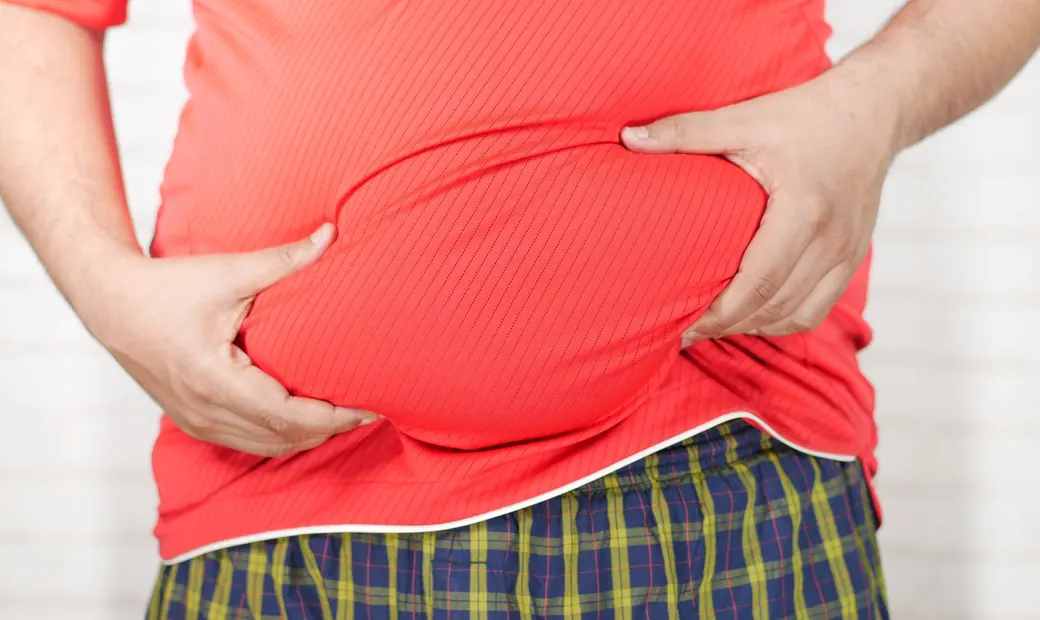
Bloating is the sensation of fullness or pressure in the abdomen, sometimes with visible swelling, called distension. Gas is produced when gut bacteria ferment carbohydrates that were not fully absorbed in the small intestine. Everyone makes gas, but people with IBS often have a more sensitive gut, so normal amounts feel uncomfortable, and they may move gas through the intestines less efficiently.
Common drivers include constipation, which slows everything and traps gas, fermentable carbohydrates known as FODMAPs found in foods such as onions, garlic, wheat, beans and some fruits, lactose intolerance, swallowing air from eating quickly, fizzy drinks or chewing gum, and sugar alcohols in sugar-free products. Less commonly, coeliac disease, small intestinal bacterial overgrowth or other conditions are involved. Identifying the cause matters because a probiotic will not fix undiagnosed coeliac disease or significant constipation.
Which probiotic strains have evidence
Probiotic effects are strain-specific, which means the full name on the label matters more than the brand. These are among the more studied options for bloating and IBS symptoms.
- Bifidobacterium infantis 35624: studied in IBS with some improvement in bloating and discomfort.
- Bacillus coagulans: a spore-forming probiotic ranked highly for bloating and overall symptoms in a network meta-analysis.
- Lactobacillus plantarum 299v: some trials show reduced bloating and pain, though results are mixed.
- Multi-strain combinations containing Lactobacillus and Bifidobacterium species, several of which have shown benefits for bloating in individual trials.
- Saccharomyces boulardii: a probiotic yeast with better evidence for antibiotic-associated diarrhoea than for bloating.
Look for the full strain designation, the number of colony-forming units at the end of shelf life rather than at manufacture, and storage instructions. Be cautious of products listing many strains without amounts, and of claims that one probiotic suits everyone.
How to try a probiotic properly
Choose one product with a named strain that has been studied for your symptoms, take it daily at the dose used in trials, and keep everything else in your routine as stable as possible so you can judge the effect. Give it around four weeks at minimum and up to 12 weeks, as the British guidance suggests, and keep a simple symptom diary.
Some people notice more gas or bloating in the first week or two as the gut adjusts, which often settles. If there is no improvement after 12 weeks, stop, since continuing indefinitely just adds cost. Switching to a different strain is reasonable, but trying several at once makes it impossible to tell what works. Probiotics are generally safe for healthy people, but people who are seriously ill, severely immunocompromised or have a central line should avoid them unless advised by a doctor.
What often helps bloating more than probiotics
Several approaches have stronger or more consistent evidence than most probiotics. Treating constipation, through soluble fibre such as psyllium, fluids, movement and, where needed, laxatives, can relieve bloating substantially. A low FODMAP diet, done in stages with a dietitian, improves symptoms in many people with IBS, although it is meant to identify triggers rather than be followed strictly forever. Peppermint oil capsules have reasonable evidence for IBS symptoms including pain and bloating.
Simple habits also matter: eating slowly and chewing well, limiting fizzy drinks and sugar alcohols, not lying down straight after meals, and staying active, since movement helps gas pass through the gut. Some people find that coarse insoluble fibre such as bran worsens bloating, while soluble fibre is better tolerated. Stress management is worth taking seriously too, because the gut-brain connection strongly influences how bloating is felt.
When to see a doctor
See a doctor if bloating is persistent, happens most days for three weeks or more, or does not improve with sensible changes. This is especially important for women over 50, because persistent bloating can be an early sign of ovarian cancer and should be checked rather than managed with supplements. Ask about testing for coeliac disease before cutting out gluten, since the test needs gluten in the diet to be accurate.
Seek prompt medical attention for bloating with unexplained weight loss, blood in the stool, black stools, persistent vomiting, difficulty swallowing, severe abdominal pain, a change in bowel habit lasting several weeks, anaemia, or a family history of bowel or ovarian cancer. This is general information rather than medical advice. Probiotics can be worth a trial, but the most reliable relief usually comes from identifying the cause of your bloating.
Frequently asked questions
Which probiotic is best for bloating and gas?
There is no single best strain for everyone. Bifidobacterium infantis 35624, Bacillus coagulans, Lactobacillus plantarum 299v and some multi-strain combinations have shown benefits in trials, mainly in people with IBS.
How long does it take for probiotics to help bloating?
Some people notice changes within a few weeks, but it is reasonable to allow up to 12 weeks before deciding whether a probiotic is working.
Can probiotics make bloating worse?
Yes, temporarily. Some people have more gas or bloating in the first week or two as the gut adjusts. If symptoms do not settle, stop or try a different strain.
Are probiotics or prebiotics better for bloating?
Probiotics are usually the better first choice for bloating, because prebiotic fibres are fermented by gut bacteria and can increase gas, especially in people with IBS.
When is bloating a sign of something serious?
Persistent bloating most days for three weeks or more, particularly in women over 50, or bloating with weight loss, bleeding, vomiting or a change in bowel habit, should be checked by a doctor.
Read next
- Bloating: Common Causes and What Actually Helps
The usual causes of bloating and first steps.
- Probiotics vs Prebiotics: The Difference, Explained Simply
How probiotics and prebiotics differ in practice.
- Constipation: What Actually Helps, According to the Latest Guidelines
A common, fixable cause of bloating.
This article is for general informational purposes only and is not medical advice. Always consult a qualified healthcare professional about your individual situation, and never start or stop a medication without your doctor. See our Medical Disclaimer.