
Breathwork for Stress: What the Science Says About Slow Breathing
Key takeaways
- Slow, controlled breathing has solid evidence for reducing stress and anxiety, often within a single short session.
- It works by shifting your nervous system toward its rest-and-recover mode, improving vagal tone and calming the amygdala.
- Effective techniques share slow breathing with a longer exhale, such as box breathing or cyclic sighing, around five or six breaths a minute.
- Sessions as short as five minutes can help, and it works best used in the moment and practised regularly.
- It is a tool for managing stress, not a cure for an anxiety disorder, and intense forced-breathing styles need more caution.
Breathwork sounds like the softest kind of wellness advice, the sort of thing that is easy to roll your eyes at when you are actually stressed. But of all the calm-down techniques floating around, deliberately slowing your breathing is one of the very few with genuinely solid science behind it. It is free, it works in minutes, and it pulls on a real lever in your nervous system. Here is what the evidence shows, why it works, and how to actually do it when it counts.
Does breathwork actually reduce stress?
Yes, and this is one of the more reassuring answers in the whole of wellness. Reviews pooling controlled trials have found that breathwork meaningfully lowers self-reported stress, anxiety and even low mood, and that the benefits can show up quickly, sometimes after a single short session. For something that costs nothing, needs no equipment and can be done almost anywhere, that is a genuinely strong result rather than a hopeful one.
A sensible caveat keeps it grounded. Most of these studies measure self-reported feelings over the short term, and breathwork is best understood as a tool for managing stress rather than a cure for an anxiety disorder or depression. But as an everyday, in-the-moment way to take the edge off, and to slowly build a little more resilience, the evidence behind slow breathing is real and encouraging, which cannot be said for many popular calming trends.
Why slow breathing calms you down
The mechanism is not mystical, it is simply your nervous system responding to a signal it trusts. Your breathing is directly wired into the balance between your body's stress-and-alert mode and its rest-and-recover mode. When you deliberately slow your breath, and especially when you lengthen the exhale, you nudge that balance toward calm by stimulating the vagus nerve, which is a central part of the recovery side of the system.
You can actually see this reflected in the body's numbers, which is part of why researchers take it seriously. Slow, controlled breathing improves what they call vagal tone and heart rate variability, both signs of a nervous system that can settle itself, and brain imaging shows reduced activity in the amygdala, the region involved in fear and threat detection. In plain terms, slow breathing sends your body a credible message that it is safe to stand down.
What makes this genuinely useful is that it works from the outside in. Most advice for calming down asks you to change your thoughts, which is hard precisely when you are stressed and your thinking is already racing. Breathing flips that around, using a physical action you can always control to influence a mental state you often cannot, which is why it can cut through in moments when trying to talk yourself calm simply does not work. You are not arguing with your anxiety, you are quietly changing the conditions underneath it.
The techniques worth knowing
You do not need a complicated routine, and several simple methods have real support behind them. Box breathing, popular for its sheer simplicity, means breathing in for a count of four, holding for four, breathing out for four, and holding for four, then repeating the cycle. Cyclic sighing, which is a double inhale through the nose followed by a long, slow exhale, has performed especially well for lifting mood in recent research.
The common thread across the techniques that work is slow, controlled breathing with a longer out-breath, often at a gentle pace of around five or six breaths a minute, which researchers link to the strongest calming effects. The best technique, honestly, is largely the one you will actually remember to use when you are stressed, so it is worth trying a couple of them and keeping whichever feels most natural to you rather than chasing the fanciest method.
How to actually do it
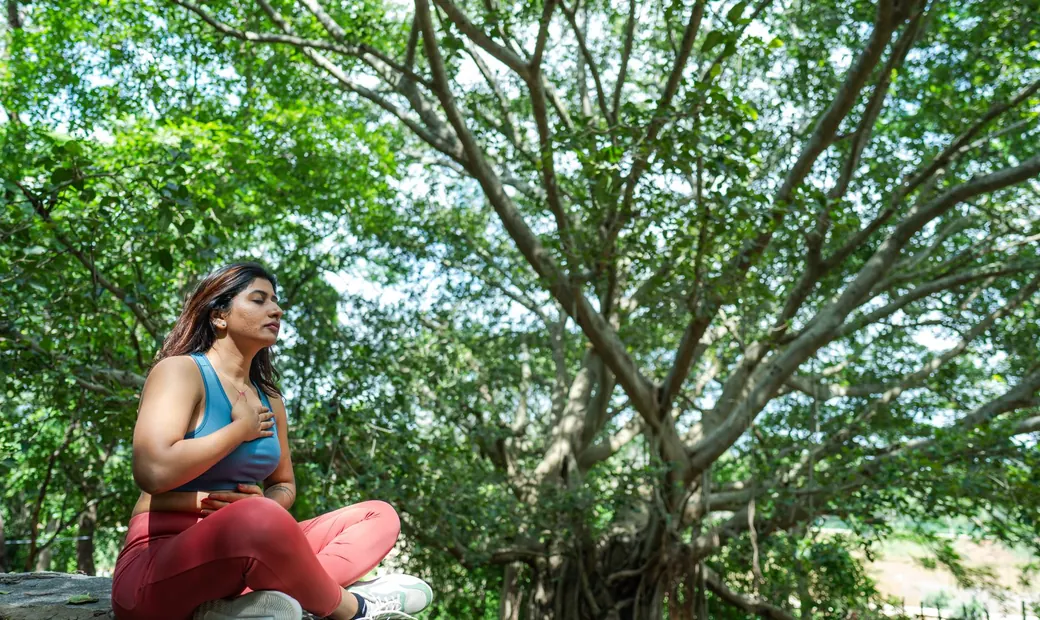
Getting started is refreshingly low-effort, which is a big part of the appeal. Sit or lie somewhere comfortable, breathe in gently through your nose so that your belly rises rather than your chest, and let the out-breath be slow and a little longer than the in-breath. A few minutes is genuinely enough to feel a shift, and studies have found benefits from sessions as short as five minutes, so this is not a demanding new commitment to fit into your day.
The real trick is using it when it counts and quietly building it into a habit. Reaching for a couple of minutes of slow breathing before a stressful meeting, in the middle of an anxious moment, or as a wind-down before bed is where the everyday value actually lives. Like anything, it becomes easier and more effective with practice, so it genuinely helps to try it when you are calm, not only when you are already overwhelmed and grasping for relief.
A small trick that helps the habit stick is to attach it to something you already do, rather than relying on remembering it in a crisis. A few slow breaths at red lights, before you open your laptop in the morning, or as your head hits the pillow turns breathwork from a technique you have to summon into a background habit that is simply there when you need it. Built that way, it stops being one more item on a wellness to-do list and becomes something much closer to automatic.
What to expect, and a couple of cautions
Set your expectations at realistic and you will get the most from it. Breathwork tends to produce a gentle, noticeable calming rather than a dramatic transformation, and a lot of its power lies in simply being available anywhere, anytime, for free. It is a genuinely useful tool to keep in your back pocket, not a magic reset button, and treating it that way makes it far more likely to become a habit you actually keep up.
A few sensible cautions apply, mostly around the more intense styles rather than gentle breathing. Fast or forceful breathing techniques, and long breath-holds, can cause lightheadedness or dizziness, so they are best learned carefully and are not right for everyone, particularly anyone with a heart or lung condition, or during pregnancy. Gentle, slow breathing, by contrast, is safe for almost everyone and is the version worth leaning on day to day.
When to see a doctor
Breathwork is a fine everyday tool, but it is not a substitute for proper care when stress or anxiety is genuinely taking over your life. If anxiety, low mood or stress is interfering with your work, your relationships or your day-to-day functioning, or you are experiencing panic attacks, that deserves a conversation with a doctor or a mental health professional who can offer treatments with strong evidence behind them.
There is no contradiction in doing both at once. Slow breathing pairs well with therapy, sensible lifestyle changes and, where it is appropriate, medication, and it can be a genuinely helpful part of a larger plan rather than a rival to it. The one thing to avoid is relying on breathing exercises alone to carry a weight that really needs professional support behind it. Used together, the small daily tool and the bigger professional support tend to work better than either on its own, which is the most honest way to place breathwork in the picture.
Frequently asked questions
Does breathwork actually reduce anxiety?
Yes. Controlled trials show slow, deliberate breathing lowers stress and anxiety, sometimes after just one short session. It is a genuine tool for managing stress, though not a substitute for treating an anxiety disorder.
What is the best breathing technique for stress?
Simple slow-breathing methods with a longer exhale work well, such as box breathing or cyclic sighing, at around five or six breaths a minute. The best one is the one you will actually remember to use.
How long do I need to do it?
Not long. Benefits can appear from sessions as short as five minutes, and even a couple of minutes in a stressful moment can help. Practising when calm makes it easier to use when overwhelmed.
Is breathwork safe for everyone?
Gentle slow breathing is safe for almost anyone. More intense fast-breathing or long breath-hold styles can cause dizziness and are best approached carefully, especially with heart or lung conditions or during pregnancy.
Read next
- Everyday Anxiety: Practical Tools That Genuinely Calm the Mind
More evidence-based tools that calm the nervous system day to day.
- Mindfulness Without the Mysticism: A Realistic Starter Guide
A grounded way to build a practice that lowers stress.
- Burnout: The Warning Signs People Ignore Until Too Late
The signals of chronic stress that deserve real attention.
This article is for general informational purposes only and is not medical advice. Always consult a qualified healthcare professional about your individual situation, and never start or stop a medication without your doctor. See our Medical Disclaimer.