
Cold Plunges: What the Evidence Says About Cold Water for Recovery and Mood
Key takeaways
- Cold water immersion triggers a fast stress response: constricted blood vessels, quicker breathing and a hormone surge.
- For recovery, it can reduce muscle soreness and inflammation, though it may blunt muscle-building gains after strength training.
- For mood, small studies show boosted alertness and lower distress, linked to spikes in norepinephrine and dopamine.
- Much of the mood research is small and short, so it is promising rather than proven, and not a treatment for anxiety or depression.
- Ease in, keep it short, never plunge alone in open water, and check with a doctor if you have heart or blood pressure concerns.
Cold plunges have gone from elite sport to backyard tubs and viral videos, promising faster recovery, a mood lift, sharper focus and a kind of mental toughness. Some of that has real research behind it. Some of it is enthusiasm outrunning the evidence. Here is an honest look at what jumping into cold water actually does, where it helps, and how to do it without taking silly risks.
What cold water immersion is
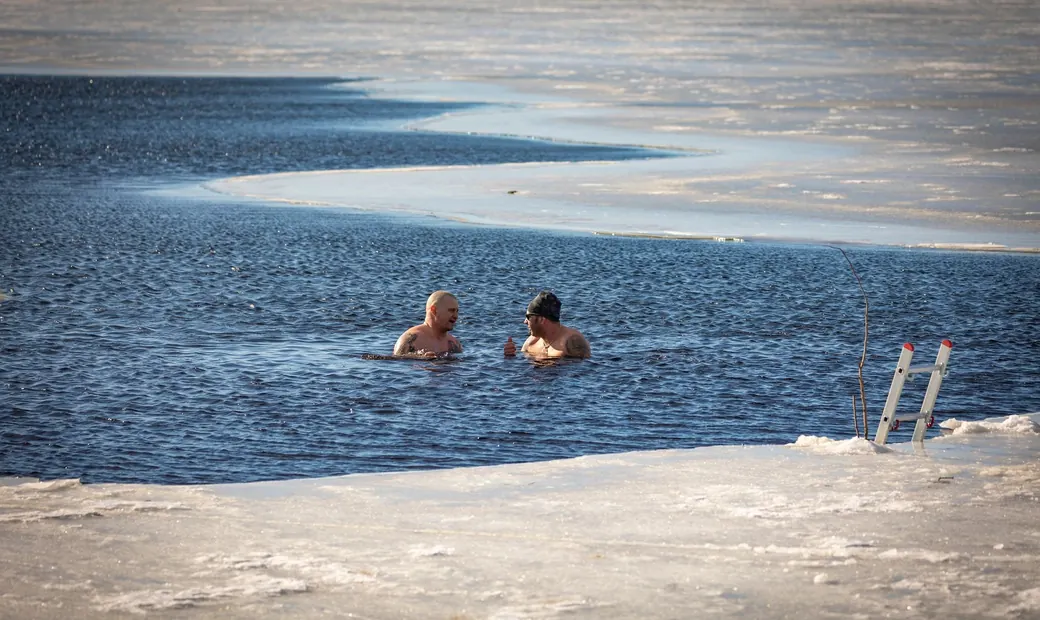
Cold water immersion means deliberately getting into cold water, whether an ice bath, a cold plunge tub, a cold lake or simply a cold shower, usually for a few minutes. When you hit cold water your body reacts fast: blood vessels near the skin clamp down, your breathing quickens, and a surge of stress hormones and other signals kicks in. That sharp, controlled shock is the whole idea, and it is what researchers have been trying to measure.
What it does for recovery
The recovery use is where cold water started, and it has reasonable support. After hard exercise, cold immersion can reduce muscle soreness and the inflammation that comes with it, which is why athletes have used ice baths for years. The cold narrows blood vessels and appears to calm the short-term damage response, so you may feel less beaten up the next day.
There is an honest trade-off, though. That same anti-inflammatory effect may blunt some of the muscle-building signals from strength training. If your goal is maximum muscle growth, plunging right after lifting might work against you. For general soreness and feeling recovered, it is a reasonable tool.
What it does for mood and stress
This is the part driving the current boom, and it is genuinely interesting. Small studies have found that a short cold dip can boost alertness and lower feelings of distress and anxiety, and cold exposure produces striking spikes in mood-related brain chemicals like norepinephrine and dopamine.
That helps explain the rush of alertness and the lifted mood many people report afterward. The caveat is that much of this research is small and short, so it is promising rather than proven. It may be a real, drug-free mood and resilience tool for some people, but it is not established as a treatment for anxiety or depression.
How to try it safely
The cold shock is powerful, which is exactly why you should ease in.
- Start gentle: a cold finish to your normal shower is a fine entry point before any ice bath.
- Keep it short: a few minutes is plenty; longer is not more virtuous.
- Never plunge alone in open water, where cold shock can be genuinely dangerous.
- Control your breathing and get out if you feel unwell.
Who should skip it
Cold water is a real physical stress, and it is not for everyone. The sudden shock raises heart rate and blood pressure, which can be dangerous for some people.
- Talk to your doctor first if you have any heart condition or high blood pressure.
- Be cautious if you are pregnant or have a condition affected by cold.
- This is not a treatment for a mental health condition; if you are struggling, that belongs with a professional.
Used sensibly, a cold plunge can be an invigorating habit with some real benefits for recovery and mood. Just keep it in proportion: it is a bracing extra, not a cure, and the foundations of feeling good still come from sleep, movement and managing stress at the source.
Frequently asked questions
Do ice baths really help muscle recovery?
There is reasonable evidence they reduce muscle soreness and inflammation after hard exercise. The trade-off is that plunging right after strength training may blunt some muscle-building signals.
Does cold water actually improve mood?
Small studies suggest a short cold dip can boost alertness and lower distress, linked to spikes in mood-related brain chemicals. It is promising but not proven, and not a treatment for anxiety or depression.
How long and how cold should it be?
A few minutes is plenty, and there is no need to chase extreme cold or long durations. A cold finish to a normal shower is a sensible starting point before any ice bath.
Is it safe for everyone?
No. The cold shock raises heart rate and blood pressure, so anyone with a heart condition or high blood pressure should check with a doctor first, and no one should plunge alone in open water.
Read next
- Everyday Anxiety: Practical Tools That Genuinely Calm the Mind
Evidence-based tools that calm the nervous system day to day.
- Exercise and Inflammation: The Paradox That Protects You
How the right kind of stress on the body actually protects it.
- Mindfulness Without the Mysticism: A Realistic Starter Guide
A grounded way to build a practice that lowers stress.
This article is for general informational purposes only and is not medical advice. Always consult a qualified healthcare professional about your individual situation, and never start or stop a medication without your doctor. See our Medical Disclaimer.