
How to Fix Gut Health Naturally: What the Evidence Supports
Key takeaways
- In a Stanford trial, a high fermented food diet increased gut microbial diversity and lowered inflammatory markers over ten weeks.
- Fibre did not increase diversity in the same trial but feeds existing bacteria and supports the gut over the longer term.
- Plant variety across the week matters more than any single superfood, since different fibres feed different bacteria.
- Commercial microbiome tests, cleanses and detox teas are not supported by evidence.
- Increase fibre and fermented foods gradually, since a sudden jump commonly causes wind and bloating.
Gut health has become a marketing category, and most of what is sold under that label does very little. Underneath the noise, though, there is real science, and some of it is surprisingly practical. A well-run trial found that one everyday change measurably increased the diversity of gut bacteria and lowered markers of inflammation in just ten weeks. Here is what genuinely improves gut health, what is overstated, and where to start.
How to fix gut health naturally: the short answer
Eat more fermented foods and more plant variety, and give it weeks rather than days. In a Stanford trial, 36 healthy adults followed either a high fermented food diet or a high fibre diet for ten weeks. The fermented food group showed increased overall microbial diversity and reductions in several markers of inflammation, and the effect was larger in those who ate more servings. The high fibre group did not increase diversity in that time, although their gut bacteria did produce more of the enzymes used to digest fibre.
That does not mean fibre is unimportant. It means diversity responds faster to fermented foods, while fibre feeds the bacteria you already have and supports them over a longer period. The practical combination is both: yoghurt, kefir, kimchi, sauerkraut or kombucha most days, alongside a wide range of plants. Beyond food, sleep, exercise, stress and avoiding unnecessary antibiotics all influence the gut, which is why no supplement alone fixes it.
What gut health actually means
The gut microbiome is the community of trillions of bacteria and other microbes living mostly in the large intestine. A healthy one is generally described as diverse, stable and containing plenty of species that ferment fibre into short chain fatty acids, compounds that feed the cells lining the colon and help regulate inflammation and the immune system.
There is no single ideal microbiome, and no test can currently tell you exactly which bacteria you should have. That is worth knowing before spending money on a commercial gut test, since the results are far less actionable than the marketing implies. What is well established is that diet shapes the microbiome quickly, that diversity tends to be associated with better health, and that a diet dominated by ultra-processed food, sugar and very little plant matter narrows that diversity over time.
The changes with the best evidence
These are the steps most supported by research, in rough order of impact.
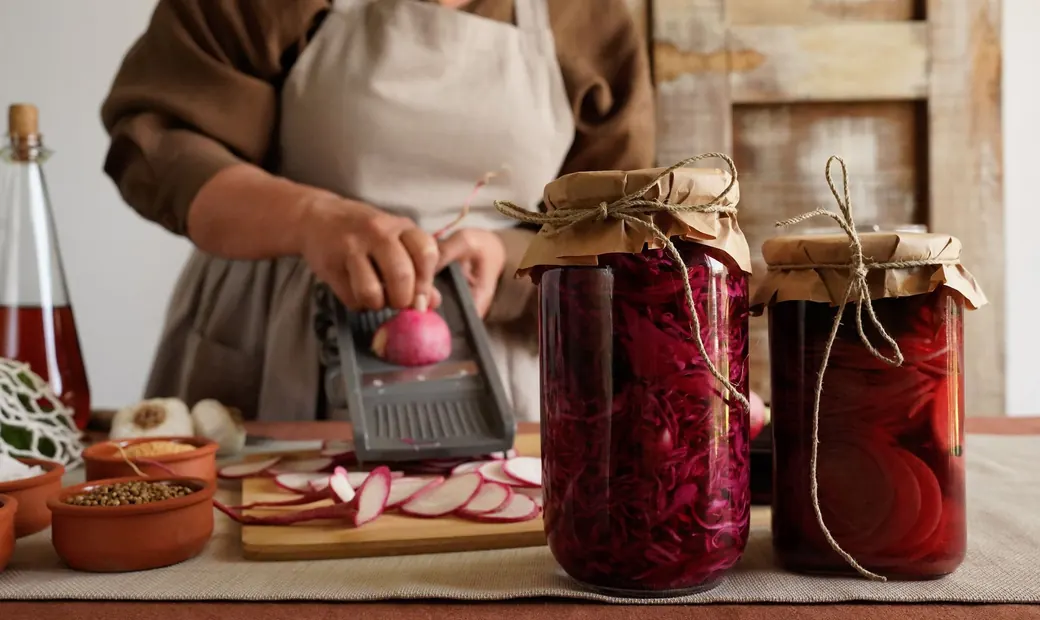
- Fermented foods daily: live yoghurt, kefir, kimchi, sauerkraut, miso, tempeh or kombucha. Aim to build up gradually to a few servings a day, and check labels for live cultures rather than pasteurised versions.
- Plant variety: aim for a wide range of vegetables, fruits, legumes, whole grains, nuts and seeds across the week, since different fibres feed different bacteria. Many researchers suggest counting distinct plants rather than grams alone.
- More fibre overall: most people fall well short, and fibre is what the beneficial bacteria ferment.
- Polyphenol-rich foods: berries, olive oil, green tea, cocoa and colourful vegetables.
- Less ultra-processed food and alcohol, both linked with lower diversity.
- Regular exercise and good sleep, both associated with a more favourable microbiome.
- Use antibiotics only when needed, since they reduce diversity for weeks to months.
Increase fibre and fermented foods gradually. Going from very little to a great deal in a few days commonly causes wind and bloating, which is the most frequent reason people give up before any benefit appears.
What is overhyped
Several popular gut health products promise more than the evidence supports. Commercial microbiome tests currently cannot diagnose conditions or tell you which foods to eat, and different companies often produce different results from the same sample. Detox teas and cleanses do not reset anything, and colonic irrigation carries real risks without benefit.
Probiotic supplements are more nuanced. They have decent evidence for specific situations such as antibiotic-associated diarrhoea, and mixed, strain-dependent evidence for symptoms such as bloating in irritable bowel syndrome. For a generally healthy person aiming to improve gut health, fermented foods are cheaper and delivered evidence in the trial above. Bone broth, celery juice and greens powders are fine as foods but are not gut treatments. The word natural on a label tells you nothing about whether a product works.
How long it takes and what to expect
The microbiome responds to diet within days, and measurable changes in diversity appeared over ten weeks in the fermented food trial. In practice, most people notice changes in digestion, regularity and comfort within two to four weeks of eating more fibre and fermented foods, though it can take longer if you are starting from a low-fibre diet.
Expect an adjustment period. Extra wind is normal at first as bacteria adapt to more fermentable material. If bloating is severe or persistent, slow down rather than stopping entirely, and consider whether something else is going on, such as constipation, lactose intolerance or irritable bowel syndrome. Improvements are gradual and cumulative, which is unglamorous but also means the gains hold as long as the eating pattern does.
One caution about measuring progress: symptoms are a better guide than any test. Regularity, comfort after meals, less wind over time and steadier energy are what you are aiming for. Chasing a specific bacterial profile is not a realistic goal, since the microbiome varies enormously between healthy people and shifts with the seasons, travel and illness. If the way you eat has improved and your digestion feels better, that is the outcome that counts.
When to see a doctor
See a doctor rather than self-treating if you have persistent digestive symptoms: bloating most days for three weeks or more, ongoing diarrhoea or constipation, reflux that needs regular treatment, or abdominal pain. Ask about coeliac disease testing before cutting out gluten, because the test is only accurate while gluten is still in your diet.
Seek prompt medical attention for blood in the stool, black stools, unexplained weight loss, vomiting, difficulty swallowing, anaemia, a change in bowel habit lasting several weeks, or a family history of bowel cancer or inflammatory bowel disease. This is general information rather than medical advice. For most healthy people, though, fixing gut health naturally is refreshingly simple: more fermented foods, more plants, and enough patience to let the changes take hold.
Frequently asked questions
How can I fix my gut health naturally?
Build up to a few servings of fermented foods a day, eat a wide variety of plants, increase fibre gradually, cut back on ultra-processed food and alcohol, and prioritise sleep and regular exercise.
How long does it take to improve gut health?
Diet changes the microbiome within days, and measurable diversity changes appeared over ten weeks in trials. Most people notice digestive improvements within two to four weeks.
Are fermented foods better than fibre for gut health?
For increasing microbial diversity in the short term, fermented foods had the stronger effect in a Stanford trial. Fibre works differently, feeding existing bacteria, and both are worth including.
Do I need a probiotic supplement to fix my gut?
Not usually. Probiotics have good evidence for specific situations such as antibiotic-associated diarrhoea, but for general gut health, fermented foods are cheaper and better supported.
Are gut microbiome tests worth it?
Currently no. They cannot diagnose conditions or reliably tell you what to eat, and different companies often report different results from the same sample.
Read next
- 7 Signs of an Unhappy Gut, and What to Do First
How to tell when your gut needs attention.
- Fermented Foods: A Practical Beginner's Guide
How to add fermented foods without the bloating.
- Fibre: The Most Underrated Nutrient in Your Diet
Why fibre remains the foundation of gut health.
This article is for general informational purposes only and is not medical advice. Always consult a qualified healthcare professional about your individual situation, and never start or stop a medication without your doctor. See our Medical Disclaimer.