
How to Prevent Kidney Stones: What the Evidence Supports
Key takeaways
- Producing 2 to 2.5 litres of urine a day is linked with around 50 percent lower risk of forming a stone.
- Keep sodium at or below about 2,300 mg a day, since salt increases calcium in the urine.
- Cutting dietary calcium backfires: calcium binds oxalate in the gut, so normal intake with meals is protective.
- Citrate from lemon juice or prescription potassium citrate inhibits calcium oxalate crystals and reduces new stones.
- Around half of stone formers have another within 5 to 10 years, so a 24-hour urine test guides targeted prevention.
Anyone who has passed a kidney stone remembers it, and the fear of a second one is entirely rational: around half of people who form a stone will form another within five to ten years. The good news is that prevention works, and the measures with the best evidence are mostly about what you drink and how much salt you eat. One popular piece of advice, cutting calcium, usually makes things worse. Here is the evidence-based version.
How to prevent kidney stones: the short answer
Drink enough to produce 2 to 2.5 litres of urine a day. A meta-analysis found people reaching that level were around 50 percent less likely to form a stone than those producing less. In practice that usually means drinking 2.5 to 3 litres of fluid daily, more in hot weather or with heavy exercise, spread through the day rather than in bursts.
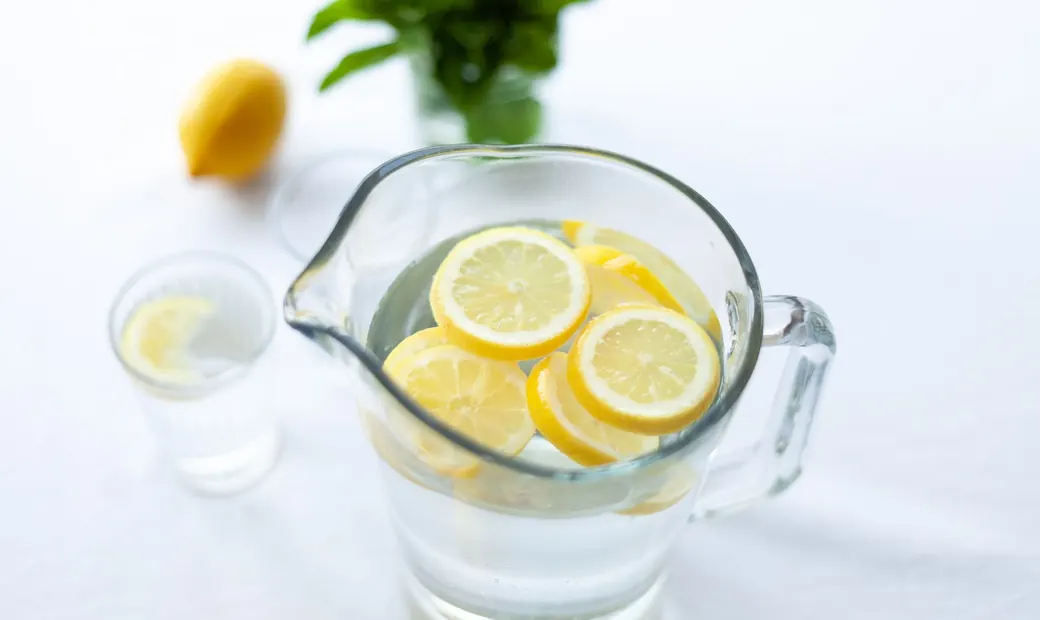
Then reduce sodium to no more than about 2,300 milligrams a day, since salt makes the kidneys excrete more calcium into the urine. Keep normal dietary calcium rather than cutting it, moderate animal protein, and consider citrate, which is the main natural inhibitor of calcium oxalate crystal formation. Lemon juice in water is the simplest source, and prescription potassium citrate is used for recurrent stone formers, where it reduces new stone formation compared with no treatment.
Why stones form, and which type matters
Stones form when urine becomes concentrated enough for minerals to crystallise and stick together. Low urine volume is the single most common factor, which is why hydration dominates prevention advice. Around 80 percent of stones are calcium-based, usually calcium oxalate, with uric acid, struvite and cystine stones making up the rest.
The type matters because prevention differs. Calcium oxalate stones respond to fluid, lower sodium, normal calcium and citrate. Uric acid stones are more common in people with obesity, diabetes or gout, and are strongly linked with persistently acidic urine, so alkalinising the urine is central. Struvite stones follow certain urinary infections. If you have had a stone, it is worth asking whether it was analysed, and whether a 24-hour urine collection would be useful, since that test shows exactly which factors apply to you rather than relying on general advice.
The prevention measures that work
These are the steps with the best supporting evidence.
- Fluid first: aim for urine that is pale yellow, roughly 2 to 2.5 litres a day. Water is ideal; fizzy drinks sweetened with sugar are the worst option.
- Cut sodium toward 2,300 mg daily or less, mostly by reducing processed food, takeaways, bread and sauces rather than the salt cellar.
- Keep calcium normal, around 1,000 to 1,200 mg a day from food. Calcium binds oxalate in the gut so less is absorbed, which is why low-calcium diets increase stone risk.
- Add citrate: lemon or lime juice in water daily, and prescription potassium citrate where a doctor advises it.
- Moderate animal protein, since high intakes raise calcium and uric acid excretion and lower citrate.
- Limit high-oxalate foods only if you form oxalate stones: spinach, beetroot, nuts, chocolate, tea and sweet potato, and eat them with a calcium source rather than alone.
- Manage weight, blood sugar and blood pressure, all linked with higher stone risk.
Vitamin C supplements in high doses increase oxalate production and have been linked with higher stone risk in men, so they are worth avoiding if you are a stone former. Vitamin C from food is not a concern.
The calcium mistake
This is the most common and most counterproductive piece of self-treatment. It sounds logical: most stones contain calcium, so eat less calcium. In practice the opposite happens. Calcium in food binds to oxalate inside the intestine, forming a compound that leaves the body in stool. Reduce dietary calcium and more free oxalate is absorbed, reaches the kidneys and ends up in urine, where it can crystallise.
The practical rule is to keep calcium intake normal and to time it with meals, particularly meals containing oxalate. Yoghurt with berries, cheese alongside a spinach salad, or milk with tea all work in your favour. Calcium supplements are slightly different: they are less clearly protective and may increase risk if taken between meals, so if you need them, take them with food and discuss the dose with your doctor.
What a recurrence plan looks like
If you have had one stone, basic prevention is usually enough: fluid, lower sodium, normal calcium and citrate. If you have had several, or your stone was unusual, a more structured approach helps. That typically includes stone analysis, blood tests and a 24-hour urine collection to measure volume, calcium, oxalate, citrate, uric acid and acidity. Treatment is then targeted, which works considerably better than guessing.
Medication has a clear role for repeat stone formers. Thiazide diuretics reduce calcium in the urine, potassium citrate raises citrate levels and alkalinises urine, and allopurinol is used for uric acid stones in some cases. These are prescribed based on the urine results rather than used blindly. Tracking your own fluid intake for a week is a useful exercise, since most people who think they drink enough are short of the target when they measure it.
When to see a doctor
Seek urgent care for severe pain in the side or back that comes in waves, pain with fever or chills, vomiting that prevents fluids, visible blood in the urine, difficulty passing urine, or pain in someone with a single kidney or a kidney transplant. An infected, obstructing stone is a medical emergency.
See a doctor for a planned review if you have had one or more stones, and ask specifically about stone analysis and a 24-hour urine test if you have had more than one. Ask also about your medications and supplements, since some, including high-dose vitamin C and certain diuretics and antacids, influence stone risk. This is general information rather than medical advice. The encouraging message is that recurrence is far from inevitable, and most of the prevention happens with a water bottle and a salt shaker.
Frequently asked questions
How much water should I drink to prevent kidney stones?
Enough to produce 2 to 2.5 litres of urine a day, which usually means drinking around 2.5 to 3 litres of fluid, more in hot weather or with heavy exercise.
Should I avoid calcium if I get kidney stones?
No. Low-calcium diets increase risk, because calcium binds oxalate in the gut. Keep normal intake of around 1,000 to 1,200 mg a day, ideally with meals.
Does lemon water help prevent kidney stones?
Lemon and lime juice provide citrate, the main natural inhibitor of calcium oxalate crystal formation. It is a reasonable daily habit, and prescription potassium citrate is stronger.
Which foods cause kidney stones?
High-sodium processed foods raise urinary calcium, and high animal protein intake raises calcium and uric acid. High-oxalate foods matter only for people who form oxalate stones, and are better eaten with a calcium source.
How likely are kidney stones to come back?
Around half of stone formers have another within five to ten years without prevention, which is why fluid, sodium and citrate measures matter.
Read next
- How Much Water Do You Really Need? The Truth About 8 Glasses
Working out your actual fluid needs.
- Electrolytes: Who Actually Needs Them, and Who Does Not
Sodium, potassium and when supplements make sense.
- Vitamins and Minerals: The Essentials, Explained Simply
Where calcium and vitamin C fit into a sensible diet.
This article is for general informational purposes only and is not medical advice. Always consult a qualified healthcare professional about your individual situation, and never start or stop a medication without your doctor. See our Medical Disclaimer.