How to Lower Blood Pressure Quickly at Home, Safely
Key takeaways
- There is no safe home method to lower blood pressure rapidly; start by rechecking correctly after five minutes of rest.
- Poor technique, caffeine, exercise, a full bladder and anxiety commonly cause falsely high readings.
- Slow breathing and rest can lower temporary rises by a few points, and prescribed medication should be taken exactly as directed.
- 180/120 mmHg or higher with chest pain, breathlessness, weakness, speech or vision changes needs emergency care immediately.
- The DASH diet with lower salt, weight loss, exercise and less alcohol lower blood pressure over weeks.
A high number on a home blood pressure monitor can be alarming, and the natural response is to want it down right now. The truth is that there is no safe home trick that rapidly drops blood pressure, and chasing a fast fix can cause harm. What you can do is check whether the reading is accurate, calm the temporary factors that push it up, and recognise the rare situations where a high reading needs emergency care. Here is how to handle it properly.
How to lower blood pressure quickly at home: the short answer
First, make sure the reading is real. Many high home readings are caused by poor technique, recent caffeine, exercise, a full bladder or anxiety, and they settle within minutes. Sit quietly for five minutes, then measure again correctly. Slow breathing, around six breaths a minute with a long exhale, can lower blood pressure by a few points in the short term. If you already take blood pressure medication, take it as prescribed, but never take extra doses.
If your blood pressure is 180/120 mmHg or higher, rest for a few minutes and recheck. If it is still that high and you feel well, contact your doctor or an urgent care service promptly. If it is that high with symptoms such as chest pain, breathlessness, severe headache, back pain, numbness, weakness, vision changes or difficulty speaking, call emergency services. Blood pressure lowered too fast outside hospital can reduce blood flow to the brain and heart, which is why rapid treatment belongs in a medical setting.
How to take an accurate reading
Technique changes readings more than most people expect, sometimes by 10 points or more. Avoid caffeine, smoking and exercise for 30 minutes beforehand, and empty your bladder. Sit in a chair with your back supported and feet flat on the floor, legs uncrossed, and rest quietly for five minutes without talking or looking at your phone.
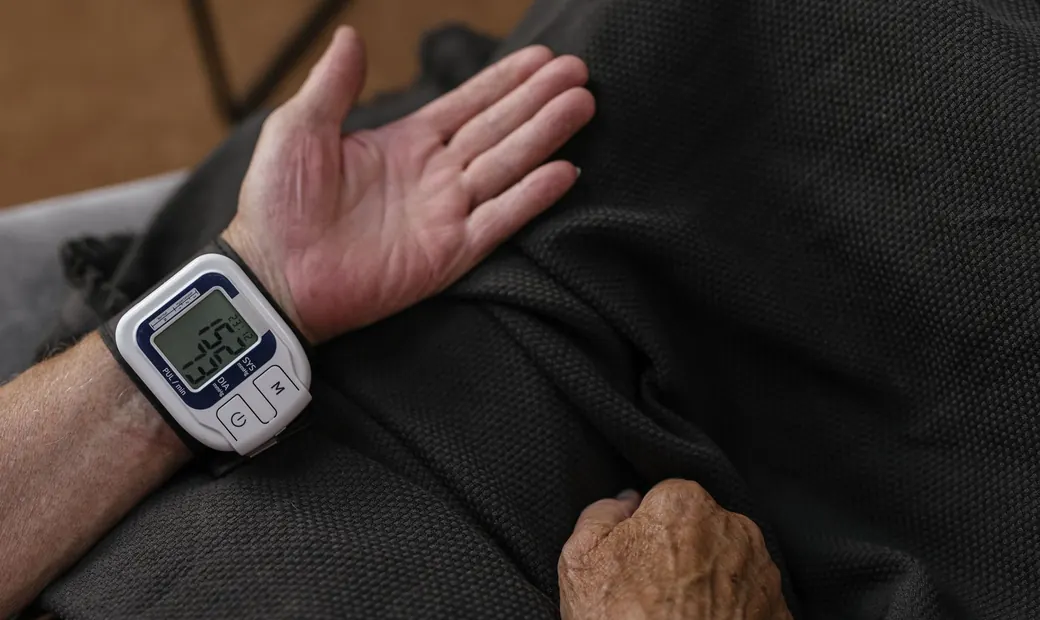
Use an upper-arm cuff of the right size, placed on bare skin, with your arm supported at heart level. Take two or three readings a minute apart and record the average. Wrist monitors are more sensitive to position, so if you use one, keep your wrist at heart height. Checking your monitor against your doctor's device once is worthwhile, since home monitors vary in accuracy. A single high reading is much less meaningful than a pattern across several days, measured at similar times in the morning and evening.
What can lower blood pressure in the short term
Once you have an accurate reading, a few steps can bring down temporary rises caused by stress or recent activity.
- Sit or lie down and rest in a quiet room for 10 to 15 minutes.
- Breathe slowly: in for about four seconds and out for six, for several minutes, which activates the calming side of the nervous system.
- Take prescribed medication on time if you have missed a dose, following the instructions on the label or from your pharmacist.
- Avoid caffeine, nicotine and alcohol while your reading is high.
- Drink water if you are dehydrated, but avoid salty foods and drinks.
- Recheck after resting rather than taking repeated readings every minute, which tends to raise anxiety and the numbers with it.
Do not take someone else's blood pressure tablets, double your own dose, or use old advice about placing tablets under the tongue, as these can drop blood pressure unpredictably and dangerously.
When high blood pressure is an emergency
A reading of 180/120 mmHg or above is called a hypertensive crisis. What matters most is whether there are signs of organ damage. Without symptoms, it is usually a hypertensive urgency: serious and needing prompt medical review the same day, but not typically requiring an ambulance. With symptoms, it may be a hypertensive emergency, where blood pressure is damaging the brain, heart, kidneys or blood vessels, and immediate hospital treatment is needed.
Call emergency services for a high reading with chest pain, shortness of breath, back pain, numbness or weakness, especially on one side, trouble speaking, confusion, vision changes, severe headache or fainting. These can signal a heart attack, stroke, aortic dissection or other serious conditions. Do not wait to see whether the number comes down, and do not drive yourself. In hospital, doctors lower blood pressure gradually and in a controlled way to protect the organs.
How to lower blood pressure over the following weeks
Most high blood pressure is a long-term condition, and the changes that genuinely lower it work over weeks rather than minutes. The DASH eating pattern, rich in fruit, vegetables, whole grains, low-fat dairy and nuts, and lower in salt and saturated fat, lowered systolic blood pressure by around 11 mmHg in people with high blood pressure in landmark trials when combined with lower salt intake. Reducing salt alone makes a clear difference for many people.
Losing excess weight lowers blood pressure by roughly 1 mmHg for every kilogram lost. Regular aerobic exercise, such as brisk walking most days, typically lowers it by 5 to 8 mmHg, and isometric exercises such as handgrip training also show benefits. Cutting back on alcohol, increasing potassium from foods such as leafy greens, beans and bananas if your kidneys are healthy, managing stress, and treating sleep apnea all help. These effects add together, which is why combining several changes works best.
When to see a doctor
See a doctor if your home readings are consistently 130/80 mmHg or above, the threshold many guidelines use for high blood pressure, or if you are unsure whether your monitor is accurate. Bring a written log of morning and evening readings from at least a week. If you are on treatment and readings stay above your target, your medication may need adjusting.
Get urgent care the same day for readings of 180/120 mmHg or higher without symptoms, and call emergency services if symptoms are present. Also seek help promptly for high readings during pregnancy, which can signal pre-eclampsia. Never stop blood pressure medication suddenly without advice, as some drugs cause a rebound rise. This is general information rather than medical advice. A calm, accurate recheck resolves many worrying readings, and steady lifestyle changes deliver the lasting reduction.
Frequently asked questions
How can I lower my blood pressure immediately?
There is no safe way to drop it rapidly at home. Rest quietly for five minutes, recheck correctly, and use slow breathing. Take prescribed medication as directed, and seek care if readings stay very high.
What blood pressure is dangerously high?
180/120 mmHg or higher is a hypertensive crisis. With symptoms such as chest pain, breathlessness, weakness, speech or vision changes, it is an emergency needing immediate care.
Does drinking water lower blood pressure quickly?
Water helps if you are dehydrated, but it does not rapidly lower high blood pressure. Resting, slow breathing and an accurate recheck are more useful first steps.
Why is my blood pressure high at home?
Common temporary causes include caffeine, smoking, recent exercise, stress, a full bladder, the wrong cuff size or poor positioning. A consistent pattern across several days suggests true high blood pressure.
How long does it take to lower blood pressure naturally?
Dietary changes such as the DASH diet and lower salt can reduce blood pressure within a few weeks, with further benefit from weight loss and regular exercise over months.
Read next
- Blood Pressure: What the Numbers Actually Mean
Understanding the reading on your monitor.
- Beetroot Juice and Blood Pressure: What the Evidence Actually Shows
A popular natural option, examined honestly.
- Warning Signs You Should Never Ignore, and Where to Go With Them
When symptoms mean calling for emergency help.
This article is for general informational purposes only and is not medical advice. Always consult a qualified healthcare professional about your individual situation, and never start or stop a medication without your doctor. See our Medical Disclaimer.