
Minimal Home Workouts That Actually Build Strength
Key takeaways
- Muscles respond to challenge, not venue, so home training matches gym gains.
- Even two short weekly sessions beat doing nothing by a wide margin.
- Cover squat, hinge, push, pull and core each session.
- 20 to 30 minutes, two or three times a week, is a legitimate program.
- Progress with harder variations, reps and tempo, and add load when you stall.
No commute, no membership, no excuses walls. Research keeps confirming that short, consistent home training builds real strength, if a few principles are respected.
Why minimal works
The single most freeing fact about training is that muscles respond to challenge, not to a venue. They cannot tell whether the resistance comes from a fancy machine or a resistance band in your living room. Studies bear this out, showing comparable strength gains from home programs when effort and progression are matched to gym work.
This matters because it removes the usual excuses, the commute, the membership, the intimidation. Even two brief sessions a week produce meaningful strength and health improvements compared with doing nothing, and that comparison is the one that counts. The best program is not the theoretically optimal one, it is the one that actually happens on an ordinary Tuesday.
The template
A simple template covers everything the body needs. Each session, hit the big movement patterns: a squat, a hinge, a push, a pull and some core work. Bodyweight versions get you a long way, squats, elevated push-ups, rows on a sturdy table, glute bridges and planks, and you progress them by slowing the tempo, adding range of motion, adding reps or moving to single-limb versions.
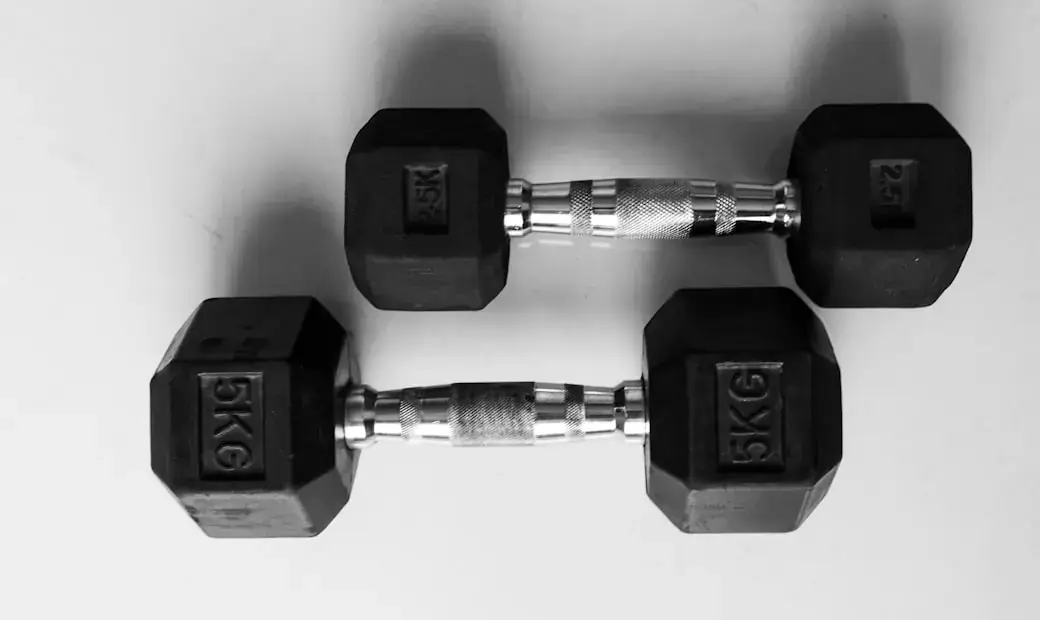
When bodyweight starts getting easy, a single pair of adjustable dumbbells or a set of resistance bands multiplies your options and lets you add real load. Twenty to thirty focused minutes, two or three times a week, is not a compromise, it is a legitimate strength program that many people would progress on for years.
Progressing without a rack
The one principle that makes home training work long-term is progressive overload, simply doing slightly more over time. Without a rack of heavy weights you lean on other levers: a harder variation of the exercise, a few extra reps, a slower lowering phase, or shorter rests between sets. Any of these increases the challenge.
Track something simple so you know you are progressing, and use effort as your guide: the last two reps of a set should feel genuinely hard. When you plateau at home, it almost always means you have run out of load, which heavier bands or dumbbells solve cheaply. The bottom line stays the same throughout: consistent training at home beats a perfect gym program you keep driving past.
Frequently asked questions
Can you build real strength working out at home?
Yes. Muscles respond to challenge, not to a gym, and studies show comparable gains from home programs when effort and progression match. Bodyweight, bands or a pair of adjustable dumbbells are enough for most people.
How long should a home workout be?
Twenty to thirty focused minutes, two or three times a week, is a legitimate program. Covering squat, hinge, push, pull and core each session matters more than the total time.
How do I keep progressing without heavy weights?
Use progressive overload through other levers: harder exercise variations, more reps, slower lowering, or shorter rests. When you truly plateau, it usually means you need more load, which heavier bands or adjustable dumbbells provide cheaply.
This article is for general informational purposes only and is not medical advice. Always consult a qualified healthcare professional about your individual situation, and never start or stop a medication without your doctor. See our Medical Disclaimer.