
Osteoporosis Prevention: What Actually Protects Your Bones
Key takeaways
- Resistance training two to three times a week is the most effective lifestyle measure, with three sessions outperforming two for spine density.
- Walking and swimming help general health but do little for bone density at the hip and spine.
- Calcium targets range from 700 to 1,200 mg depending on country guidance, ideally from food, with vitamin D mainly from sunlight or a supplement.
- A fracture from a standing-height fall after 50 is a diagnostic clue and should trigger a fracture risk assessment.
- DEXA screening is recommended for women from 65, earlier with risk factors, and for men from 70 under some guidelines.
Bone loss is silent. There are no symptoms until something breaks, which is why the first sign for many people is a fracture from a fall that should not have caused one. The frustrating part is that most of the prevention has to happen years before that point. The encouraging part is that the measures that work are ordinary, and they keep working into old age. Here is what the evidence actually supports.
Osteoporosis prevention: the short answer
Three things carry most of the weight. Resistance training, done consistently, slows bone loss and in some trials improves bone density at the spine and hip. A network meta-analysis found moderate intensity resistance training improved bone mineral density at the lumbar spine and femoral neck, with three sessions a week outperforming two for the spine. Adequate calcium and vitamin D matter mainly for people whose intake is low. And knowing when to be screened matters, because treatment decisions depend on measured bone density.
What the evidence does not support is relying on supplements alone. UK guidance notes there is little evidence that vitamin D supplementation by itself reduces fractures, although it may reduce falls. Calcium and vitamin D together have shown fracture reductions in trials with good adherence, roughly a quarter in one analysis of compliant participants. The practical reading is that nutrition is the floor and loading is the lever, and neither works without the other.
Why bones thin, and who is at risk
Bone is living tissue that is constantly broken down and rebuilt. Up to around age 30 the rebuilding outpaces the breakdown, after which the balance slowly reverses. In women, the drop in oestrogen at menopause accelerates loss sharply for several years, which is why osteoporosis is more common and earlier in women. Men lose bone too, just more gradually.
Risk rises with a parental history of hip fracture, low body weight, smoking, heavy alcohol use, long-term steroid tablets, rheumatoid arthritis, early menopause, conditions causing malabsorption such as coeliac disease, and any previous fracture from a minor fall after the age of 50. That last one is the most actionable: a fragility fracture is more than an injury, it is a diagnostic clue, and it should trigger an assessment rather than only a cast.
The training that builds bone
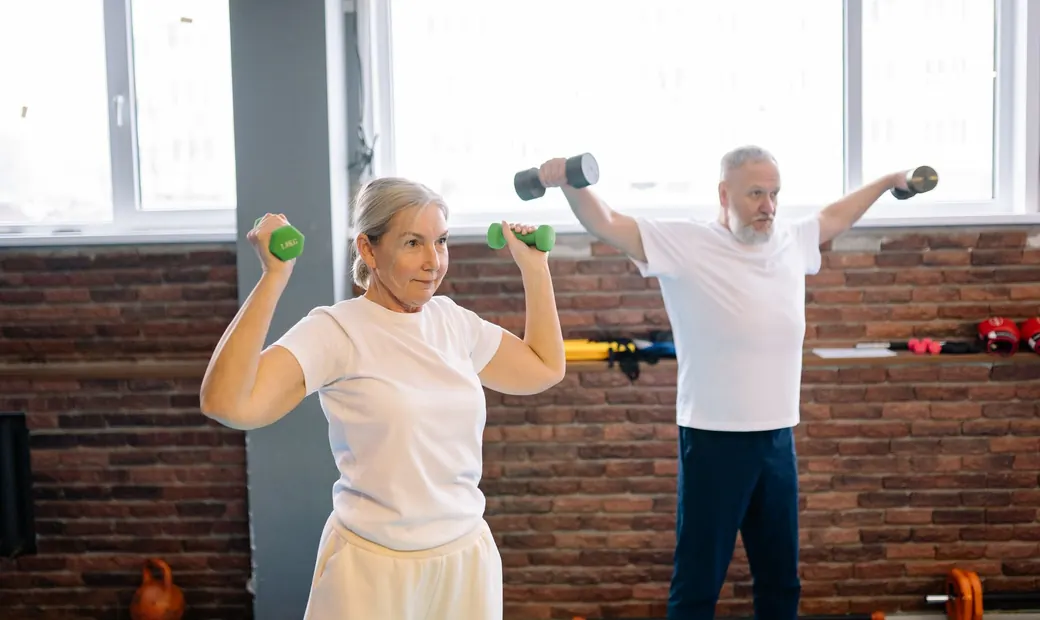
Bone responds to load and impact, not to gentle movement. Walking and swimming are excellent for general health but do little for bone density at the hip and spine. What works is resistance training with meaningful weight and, where safe, impact.
- Resistance training two to three times a week, working the major muscle groups with weights heavy enough that the last repetitions are hard.
- Loaded movements for the hip and spine: squats, deadlift variations, lunges, step-ups, presses and rows.
- Impact where appropriate: heel drops, hopping or brisk stair climbing, scaled to ability and avoided in people with existing spinal fractures.
- Balance work: single-leg stands, tai chi or similar, which reduces falls, the actual cause of most fractures.
- Progress gradually in weight over months, since the stimulus comes from the load being challenging.
- Avoid heavy forward bending and twisting under load if you already have osteoporosis or spinal fractures.
Supervision is worth it at the start, particularly after a diagnosis, because the right technique makes training safe and the right intensity makes it effective. Combined programmes that mix resistance and impact tend to outperform resistance alone in reviews.
Consistency over years is what counts here. Bone remodels slowly, and reviews report meaningful changes in density over periods of a year or more rather than weeks. That is also why stopping undoes the gains: the stimulus has to keep arriving. Treating two or three sessions a week as permanent maintenance, in the same way you would brush your teeth, is a better mental model than training in blocks.
Calcium, vitamin D and food first
Guidance differs by country, which causes confusion. US sources commonly suggest around 1,000 to 1,200 mg of calcium a day with 800 to 1,000 IU of vitamin D, while UK guidance sets a lower floor of at least 700 mg of calcium, preferably from food, with supplements targeted at those who fall short.
The food-first message is consistent. Dairy, fortified plant milks, tinned fish with bones, tofu set with calcium, leafy greens, nuts and seeds all contribute, and it is worth adding up your typical intake before buying a supplement. Vitamin D is harder to get from food and comes mainly from sunlight, so a supplement through winter is reasonable in northern countries. One caution: calcium and vitamin D supplements may slightly increase the risk of kidney stones, which is another reason to meet the target with food where possible. Protein also matters, since bone is roughly half protein by volume, and very low protein intake is associated with worse bone health.
Screening and when to ask for a scan
Bone density is measured with a DEXA scan, which gives a T-score comparing you with a healthy young adult. US preventive guidance recommends screening all women aged 65 and over, and younger postmenopausal women at increased risk identified with a risk tool. Evidence is considered insufficient to recommend routine screening in all men, although other bodies suggest men from 70, and anyone over 50 who has had a fragility fracture.
Risk calculators such as FRAX estimate ten-year fracture probability using age, sex, weight, smoking, steroid use, family history and previous fracture, and they help decide who needs scanning and who needs treatment. Repeat intervals vary widely, from two to ten years depending on the first result, since bone changes slowly and a minimum of around two years is usually needed to detect real change. If you have broken a bone from a standing-height fall after 50, ask directly about a DEXA scan rather than waiting to be offered one.
When to see a doctor
See a doctor if you have broken a bone from a minor fall after the age of 50, if you have lost height, if your upper back has become more rounded, or if you have risk factors such as early menopause, long-term steroid use, an eating disorder history, coeliac disease or a parent who fractured a hip. Ask about a fracture risk assessment and whether a scan is appropriate.
Seek prompt assessment for sudden severe back pain in someone at risk, which can indicate a spinal compression fracture, and for any fracture after minimal trauma. If you are diagnosed with osteoporosis, medication such as bisphosphonates substantially reduces fracture risk and is worth discussing seriously rather than relying on lifestyle alone. This is general information rather than medical advice. The useful summary is that bone responds to load throughout life, and the earlier the training starts the more there is to protect.
Frequently asked questions
What is the best exercise for osteoporosis prevention?
Resistance training two to three times a week with meaningful weight, combined with impact work such as heel drops or stair climbing where safe, plus balance training to reduce falls.
How much calcium do I need for bone health?
Guidance ranges from at least 700 mg a day in the UK to 1,000 to 1,200 mg in US recommendations, ideally from food, with supplements targeted at people who fall short.
Does walking prevent osteoporosis?
Walking supports general health and balance but does little for bone density at the hip and spine. Loaded resistance training provides the stimulus bone responds to.
When should I have a bone density scan?
Women from 65, younger postmenopausal women with risk factors, men from 70 under some guidelines, and anyone over 50 who has fractured a bone from a minor fall.
Do vitamin D supplements prevent fractures?
Vitamin D alone has little evidence for reducing fractures, though it may reduce falls. Combined calcium and vitamin D reduced fractures in trials where adherence was good.
Read next
- After Menopause: Protecting Your Heart and Bones
Why bone loss accelerates after menopause.
- Starting Strength Training After 40: A No-Intimidation Guide
How to begin the training that protects bone.
- Vitamin D: Why So Many People Are Low, and What to Do
Getting vitamin D status right.
This article is for general informational purposes only and is not medical advice. Always consult a qualified healthcare professional about your individual situation, and never start or stop a medication without your doctor. See our Medical Disclaimer.