
Red Light Therapy for Skin: What the Evidence Actually Shows
Key takeaways
- Red light therapy uses red and near-infrared light to gently stimulate skin cells, mainly to make collagen.
- Studies support real improvements in collagen, wrinkle depth, tone and elasticity with consistent use.
- Many studies are small or industry-funded, and devices are not standardised, so results vary.
- It is gradual, needing several sessions a week over weeks, and benefits fade if you stop.
- It is generally safe and a reasonable bonus, but sunscreen and a retinoid still do more for aging skin.
Red light therapy has jumped from dermatology clinics to at-home masks and panels, promising more collagen, fewer wrinkles and a healthy glow, all from sitting in front of a warm red glow. Unlike some skincare trends, there is real science here. There are also real caveats that the glossy marketing skips. Here is an honest look at what red light therapy can do for your skin, and what to expect if you try it.
What red light therapy is
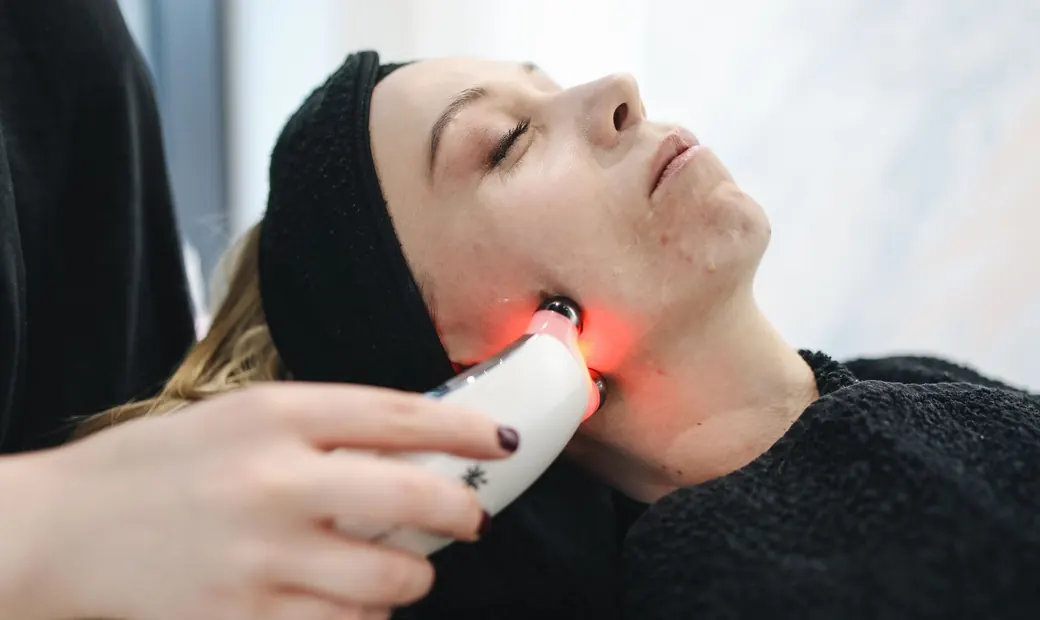
Red light therapy uses specific wavelengths of red and near-infrared light, delivered by LED panels, masks or handheld devices, aimed at the skin. It is not the same as the ultraviolet light that damages skin or the lasers used in some clinics. The idea is that these particular wavelengths are absorbed by your skin cells and gently nudge them to do more of what you want, particularly making collagen. It is painless, and it has been used in professional settings for a while before the at-home boom.
What the evidence supports
This is the encouraging part. Studies have found that red and near-infrared light can genuinely stimulate the skin to produce more collagen and elastin, the proteins that keep skin firm and springy.
In clinical research, consistent use has been linked with measurable improvements: smoother texture, more even tone, reduced wrinkle depth and better elasticity, with some studies reporting a meaningful increase in collagen density. So the core claim, that red light can support firmer, better-looking skin over time, has real backing rather than being pure marketing.
The caveats the ads skip
Before you rush to buy a mask, the honest limitations matter.
- Study quality: many of the studies are small, and a good number were funded by the companies selling the devices, which is a reason for caution.
- No standards: wavelengths, intensity and treatment times vary widely between products, so results from a clinic study may not match a cheap home gadget.
- It is gradual: this is not a quick fix. Improvements build slowly over weeks of consistent use, and stopping means they fade.
So the benefit is real but modest, variable between devices, and dependent on you actually using it regularly.
How to use it sensibly
If you want to try it, a few practical points help:
- Consistency: most studies use several sessions a week over 8 to 12 weeks before judging results.
- Follow the instructions: more time or intensity is not better, and each device is designed for a certain use.
- Protect your eyes: the light is bright, so use any eye protection provided and do not stare into it.
- Manage expectations: think subtle improvement in tone and texture, not a facelift.
Is it worth it?
Red light therapy is generally considered safe, with side effects uncommon, which is a point in its favour compared with more aggressive treatments. The main downsides are cost, the need for patience and consistency, and the uncertainty about whether a given home device matches the ones used in studies.
It is best seen as a possible bonus to a solid routine, not the foundation of one. The proven basics, daily sunscreen and a retinoid, still do more of the heavy lifting for aging skin. If you enjoy it and can be consistent, red light therapy is a reasonable, low-risk addition. If you have a skin condition or are unsure whether a device is worthwhile, a dermatologist can give you a straight answer for your skin.
Frequently asked questions
Does red light therapy really work for wrinkles?
There is real evidence it can boost collagen and modestly improve wrinkle depth, tone and elasticity with consistent use. The effect is genuine but gradual and subtle, not a dramatic fix.
How long until I see results?
Most studies run sessions several times a week for about 8 to 12 weeks before results show. Benefits build slowly and fade if you stop, so consistency is essential.
Are at-home devices as good as clinic ones?
Not necessarily. Wavelengths and intensity are not standardised, and many studies used professional devices, so a cheap home gadget may deliver less. Results vary by product.
Is red light therapy safe?
It is generally considered safe with uncommon side effects, unlike UV light or aggressive lasers. Protect your eyes and follow the device instructions rather than overdoing sessions.
Read next
- How Skin Ages: What Is Genetics, What Is Lifestyle
What you can influence about ageing skin, and what you cannot.
- Retinol vs Retinoids: How to Choose and Use Them Without the Irritation
The proven anti-aging active that does the heavy lifting.
- A Minimal Skincare Routine That Actually Works
How to build a simple routine that covers the essentials.
This article is for general informational purposes only and is not medical advice. Always consult a qualified healthcare professional about your individual situation, and never start or stop a medication without your doctor. See our Medical Disclaimer.