
How to Reverse Prediabetes With Diet: What the Evidence Shows
Key takeaways
- The Diabetes Prevention Program reduced progression to type 2 diabetes by 58 percent, and by 71 percent in people over 60.
- The target was modest: losing 5 to 7 percent of body weight plus 150 minutes a week of moderate activity.
- Losing more than 5 percent of body weight led to prediabetes remission in most participants in later research.
- Build meals around fibre, vegetables, protein and healthy fats, and cut sugary drinks first.
- Recheck HbA1c after three to six months, and treat supplements as minor extras rather than a replacement for diet.
A prediabetes result can feel like a verdict, as if type 2 diabetes is now just a matter of time. The research says otherwise. Prediabetes is the most reversible stage of the whole process, and the evidence for what works is unusually strong, built on large, long-running trials rather than hopeful anecdotes. The catch is that the changes that work are steadier and less dramatic than most diet books suggest. Here is what they are.
Can you reverse prediabetes with diet? The short answer
Yes, for many people. The landmark Diabetes Prevention Program, a large US trial, found that a structured lifestyle programme reduced the development of type 2 diabetes by 58 percent over about three years in people with prediabetes, and by 71 percent in those aged 60 and over. That outperformed the diabetes drug metformin in the same trial. Follow-up studies have shown the benefit persisting 10 to 20 years later.
The programme was not a miracle diet. It combined modest weight loss of around 5 to 7 percent of body weight with at least 150 minutes a week of moderate activity such as brisk walking. For someone weighing 90 kilograms, that is roughly 5 to 6 kilograms. Later research found that losing more than 5 percent of body weight led to prediabetes remission, meaning blood sugar returning to the normal range, in a large majority of participants, with higher remission rates as weight loss increased. Diet is the main lever for that weight change, and exercise adds its own independent benefit.
Why diet changes blood sugar so much
Prediabetes is mostly a story about insulin resistance. Your muscles, liver and fat tissue stop responding fully to insulin, so the pancreas has to produce more of it to keep blood sugar in range. For a while it copes, and the numbers creep up only slightly. That is prediabetes. Eventually the pancreas cannot keep pace, and glucose rises into the diabetes range.
Excess fat stored in and around the liver and abdominal organs is one of the biggest drivers of that resistance. This is why even modest weight loss has an outsized effect: the first kilograms lost come disproportionately from the liver and visceral fat, which quickly improves how the liver handles glucose. The type of food also matters independently of weight. Meals high in refined carbohydrates and sugary drinks produce large glucose surges that demand more insulin, while fibre, protein and unprocessed foods blunt those peaks and ease the load on a struggling system.
The prediabetes diet: what to eat more of
There is no single approved prediabetes diet, and several eating patterns work, including Mediterranean, lower-carbohydrate and plant-forward approaches. What they share matters more than their labels.
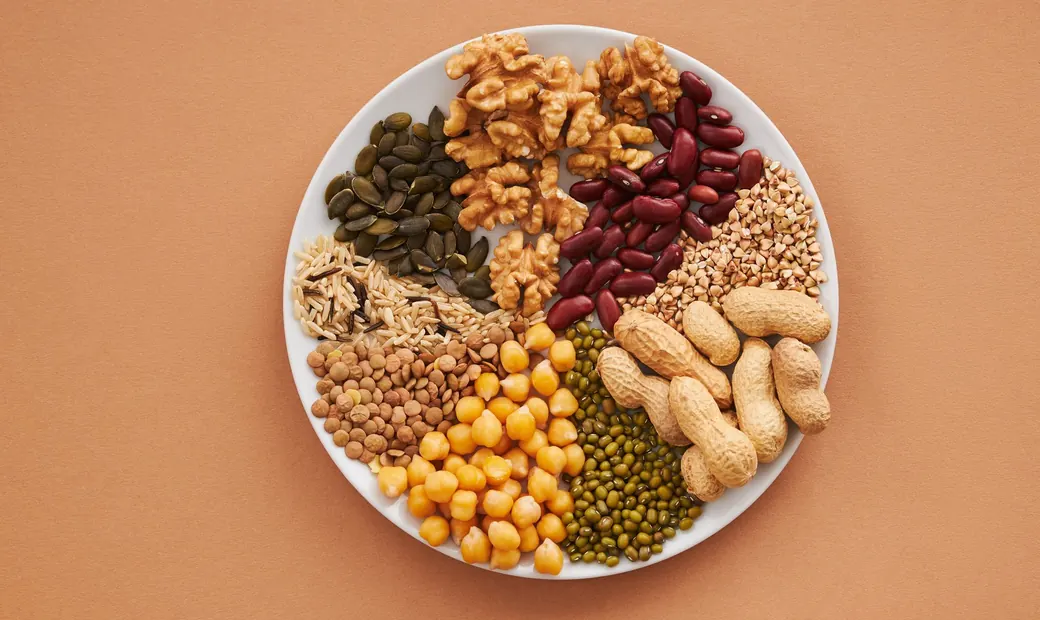
- Fibre-rich carbohydrates: beans, lentils, chickpeas, oats, barley and whole grains slow glucose absorption. Aim to make these your main carbohydrate sources.
- Non-starchy vegetables at most meals, filling around half the plate.
- Protein at every meal: fish, eggs, poultry, Greek yoghurt, tofu and legumes improve fullness and reduce post-meal spikes.
- Healthy fats from olive oil, nuts and seeds, which are linked with better insulin sensitivity in Mediterranean diet research.
- Whole fruit rather than juice, since the fibre changes how the sugar is absorbed.
- Water, tea and coffee without sugar as the default drinks.
A practical way to build a meal is the plate method: half non-starchy vegetables, a quarter protein, a quarter fibre-rich carbohydrate. It needs no counting, fits most cuisines, and naturally lowers calories and glucose load at the same time.
What to cut back on first
If you change only one thing, make it sugary drinks. Soft drinks, sweetened coffees, energy drinks and fruit juices deliver large amounts of rapidly absorbed sugar with no fullness, and they are strongly linked with type 2 diabetes risk. Replacing them is often the single highest-impact change available.
After that, reduce refined starches such as white bread, pastries and most packaged snacks, and cut back on ultra-processed foods, which make overeating easy. Alcohol is worth moderating too, because it adds calories and can disturb blood sugar regulation. Order and pairing also help in daily life: eating vegetables and protein before the starchy part of a meal, or pairing carbohydrates with protein and fat, measurably flattens the glucose response. A short walk of 10 to 15 minutes after meals has a similar effect and is one of the easiest habits to add.
Realistic expectations and the supplement question
Progress shows up on blood tests. HbA1c reflects your average blood sugar over roughly three months, so it is typically rechecked after three to six months of changes. Fasting glucose can improve sooner. Not everyone returns to the normal range, particularly with a strong family history, but lowering the numbers still reduces risk, and even people who do not fully reverse prediabetes delay or prevent the progression to diabetes.
Supplements are heavily promoted for blood sugar, and the evidence is mixed. Berberine has the most research, with modest reductions in glucose markers in trials, but it interacts with several medications and is not a substitute for dietary change. Cinnamon, chromium and apple cider vinegar show small or inconsistent effects. None of them has anything close to the evidence behind the lifestyle programme, so they are best seen as possible extras after the fundamentals are in place, and discussed with a doctor if you take other medication.
When to see a doctor
If you have been told you have prediabetes, ask your doctor for a structured plan and when to retest, usually HbA1c or fasting glucose within three to twelve months. Many areas offer referral to a diabetes prevention programme, which uses the same approach as the trial and roughly doubles the chance of success compared with going it alone. A dietitian can tailor the plan to your food preferences and culture.
See a doctor promptly if you develop symptoms that suggest blood sugar is already high: excessive thirst, passing large amounts of urine, unexplained weight loss, blurred vision, frequent infections or slow-healing wounds. Also get checked if you are pregnant or planning pregnancy, since prediabetes matters more then. This is general information, not medical advice. The strong message from the research is encouraging: modest, sustained changes to how you eat and move can keep most people with prediabetes from ever developing type 2 diabetes.
Frequently asked questions
Can prediabetes be reversed with diet alone?
Many people return to normal blood sugar through diet-driven weight loss, but combining dietary change with regular activity works best. The key trial used both and cut diabetes risk by 58 percent.
How much weight do you need to lose to reverse prediabetes?
Around 5 to 7 percent of body weight is the evidence-based target. Research shows losing more than 5 percent leads to remission for most people, with better results as weight loss increases.
What is the best diet for prediabetes?
There is no single best diet. Mediterranean, lower-carbohydrate and plant-forward patterns all work when they emphasise fibre, vegetables, protein and unprocessed foods and limit sugary drinks and refined starches.
How long does it take to reverse prediabetes?
Blood sugar can start improving within weeks, but HbA1c reflects about three months, so it is usually rechecked after three to six months of consistent changes.
Which foods should I avoid with prediabetes?
Sugary drinks and fruit juices are the priority, followed by refined starches such as white bread and pastries, ultra-processed snacks and excess alcohol.
Read next
- Prediabetes: The Wake-Up Call Millions Miss
How prediabetes is diagnosed and why it goes unnoticed.
- Blood Sugar Spikes: Why They Happen and How to Smooth Them
Practical ways to flatten the glucose response after meals.
- Berberine for Blood Sugar: What the Evidence Actually Shows
The most studied blood sugar supplement, examined honestly.
This article is for general informational purposes only and is not medical advice. Always consult a qualified healthcare professional about your individual situation, and never start or stop a medication without your doctor. See our Medical Disclaimer.