
Shingles: Early Signs, the 72-Hour Window and the Vaccine
Key takeaways
- Shingles antivirals work best within 72 hours of the rash appearing, reducing severity and the risk of lasting nerve pain.
- The earliest sign is one-sided burning or tingling in a band of skin, one to five days before any rash appears.
- The recombinant vaccine was about 97 percent effective at ages 50 to 69 and about 91 percent at 70 and over.
- It also cut the risk of postherpetic neuralgia by roughly 91 percent in adults aged 50 and above.
- A rash on the face or near the eye needs same-day care, as eye involvement can threaten vision.
Shingles has a cruel design. The first symptoms are vague enough to be ignored, the treatment window is short, and the complication people fear most, lasting nerve pain, becomes more likely the longer treatment is delayed. There is also a vaccine with unusually strong numbers behind it. Knowing the early signs and the timing is genuinely useful, because a day or two changes the outcome.
What shingles is, and why timing matters
Shingles is a reactivation of the chickenpox virus. After childhood chickenpox the virus stays dormant in nerve tissue, and years or decades later it can reactivate, travelling along a single nerve to the skin. That is why the rash appears as a band on one side of the body, usually on the torso or face, and does not cross the midline.
The short answer on treatment is to be seen within 72 hours of the rash appearing. Antiviral medicines such as aciclovir, valaciclovir or famciclovir work best when started in that window, shortening the illness and reducing the risk of postherpetic neuralgia, the lingering nerve pain that can follow. After 72 hours antivirals may still be given in some situations, but the benefit falls. This is one of the clearest cases in medicine where acting quickly changes the result.
The early signs most people miss
Shingles usually announces itself before the rash. For one to five days beforehand, people feel burning, tingling, stabbing or itching in a specific band of skin on one side, often with unusual sensitivity where clothing touches. Mild fever, headache and fatigue are common. Because there is nothing to see, this stage is frequently mistaken for a pulled muscle, a trapped nerve or the start of a cold.
Then the rash arrives: red patches that develop into small fluid-filled blisters, grouped along the nerve's territory in a band. The blisters crust over within about a week to ten days and heal over two to four weeks. The combination that should trigger action is one-sided pain or burning in a band, followed by a rash in the same area. If you notice that pattern, treat it as time-sensitive rather than waiting to see how it develops.
Who gets it and who is at higher risk
Anyone who has had chickenpox can develop shingles, which is the large majority of adults. Risk rises with age as immune surveillance weakens, and most cases occur after 50. People taking immunosuppressive medication, those having chemotherapy, people with HIV and anyone on long-term steroids are at higher risk, and often have more severe episodes.
Stress, illness and fatigue are frequently blamed as triggers, and while they may contribute, most reactivations have no clear cause. Shingles is not caught from another person with shingles, but the fluid in the blisters contains the virus and can cause chickenpox in someone who has never had it or been vaccinated. That matters around newborns, pregnant women without immunity and immunosuppressed people, so keeping the rash covered until it crusts over is sensible.
Treatment and symptom relief
Alongside antivirals, the priority is pain control, since shingles pain can be severe and poorly managed pain is associated with a higher risk of persistent nerve pain afterwards.
- See a doctor within 72 hours of the rash appearing, and sooner if the face or eye is involved.
- Pain relief: paracetamol or anti-inflammatories for mild pain, with stronger options or nerve pain medicines such as amitriptyline, gabapentin or pregabalin for severe cases.
- Keep the rash clean, dry and covered with a loose, non-adherent dressing.
- Cool compresses and calamine lotion for itching and discomfort.
- Loose cotton clothing to reduce friction over sensitive skin.
- Avoid contact with newborns, pregnant women without chickenpox immunity and immunosuppressed people until the blisters crust.
- Rest, since fatigue is common and recovery takes two to four weeks.
Postherpetic neuralgia is the main complication, with risk rising sharply with age, severe initial pain and delayed treatment. It can last months and occasionally years, and is treated with nerve pain medication, topical lidocaine or capsaicin, and sometimes specialist pain services.
Recovery from the acute episode usually takes two to four weeks, and fatigue often outlasts the rash. Returning to normal activity gradually is sensible, and keeping the area clean reduces the risk of secondary skin infection, which is the other common complication worth avoiding.
The vaccine, and who should have it
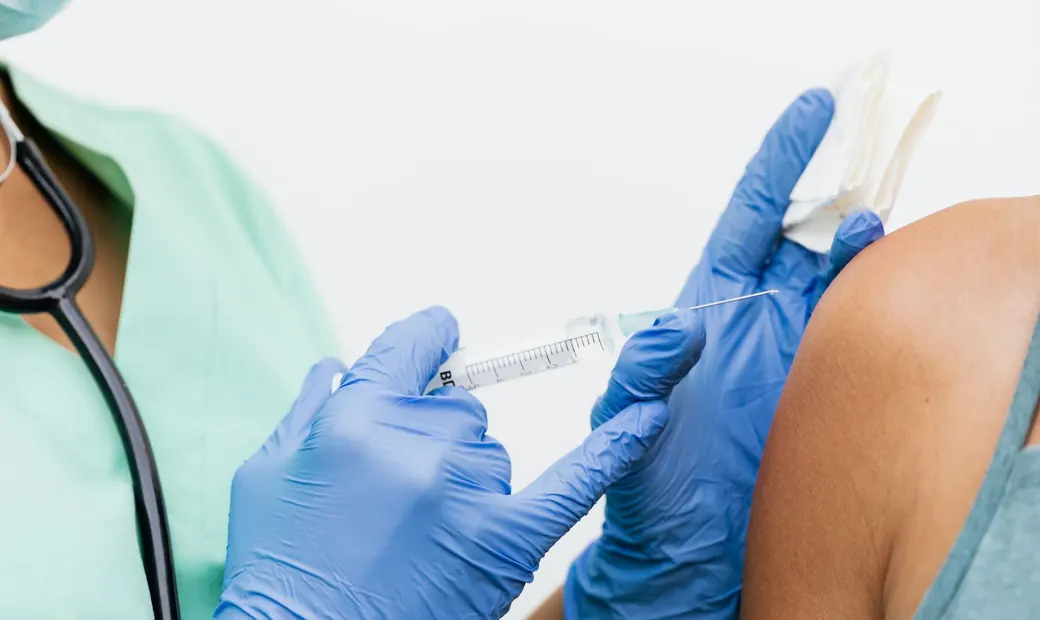
The recombinant shingles vaccine, given as two doses, has strong trial numbers. In adults aged 50 to 69 with healthy immune systems it was around 97 percent effective at preventing shingles, and around 91 percent effective in those aged 70 and over. It also reduced the risk of postherpetic neuralgia by roughly 91 percent in immunocompetent adults aged 50 and above.
US guidance recommends routine vaccination for all immunocompetent adults from age 50, and for immunocompromised adults from 19, while national programmes elsewhere vary in age and eligibility, so it is worth asking what applies where you live. Having had shingles already does not prevent a recurrence, so vaccination is still recommended after an episode, usually once the rash has resolved. Side effects are common but short-lived: a sore arm, tiredness, muscle aches and sometimes fever for a day or two, which reflects a strong immune response rather than a problem.
When to seek urgent care
Seek same-day medical care for any shingles rash involving the face, especially near the eye, nose or forehead, since eye involvement can threaten vision and needs urgent treatment. The same applies to rash near the ear with hearing changes, dizziness or facial weakness, which can indicate Ramsay Hunt syndrome.
Also seek urgent assessment for widespread rash beyond one band, severe pain not controlled by ordinary painkillers, signs of skin infection such as spreading redness, swelling or pus, confusion, a stiff neck, or shingles in anyone who is pregnant, immunosuppressed or having cancer treatment. This is general information rather than medical advice. The two things worth remembering are the 72-hour window and the vaccine, because together they prevent most of what makes shingles feared.
Frequently asked questions
What are the first signs of shingles?
Burning, tingling or stabbing pain in a band of skin on one side, often with skin sensitivity, mild fever and fatigue, appearing one to five days before the rash.
How soon should shingles be treated?
Within 72 hours of the rash appearing. Antivirals started in that window shorten the illness and reduce the risk of postherpetic neuralgia.
How effective is the shingles vaccine?
In trials the recombinant vaccine was around 97 percent effective at preventing shingles in adults aged 50 to 69, and around 91 percent in those aged 70 and over.
Can you catch shingles from someone?
Not directly. The blister fluid can cause chickenpox in someone who has never had it or been vaccinated, so keep the rash covered until it crusts over.
Can you get shingles twice?
Yes. Having had shingles does not prevent a recurrence, which is why vaccination is still recommended after an episode once the rash has resolved.
Read next
- Health Checks by Decade: What Actually Matters in Your 30s, 40s, 50s and 60s
Where vaccination fits among preventive care.
- Warning Signs You Should Never Ignore, and Where to Go With Them
Recognising what needs same-day attention.
- Zinc for Colds and Immunity: What the Evidence Actually Shows
What supplements can and cannot do for immunity.
This article is for general informational purposes only and is not medical advice. Always consult a qualified healthcare professional about your individual situation, and never start or stop a medication without your doctor. See our Medical Disclaimer.