
Best Snacks for Stable Blood Sugar: 15 Ideas That Work
Key takeaways
- The best snacks for stable blood sugar pair fibre with protein or healthy fat and keep carbohydrate to roughly 15 to 20 grams or less.
- Greek yoghurt with berries, apple with nut butter, nuts, hummus with vegetables and eggs are simple, reliable options.
- Juice, smoothies, granola, many bars, rice cakes and flavoured yoghurts often spike blood sugar despite a healthy image.
- Snacks are most useful for long gaps between meals; a planned snack beats continuous grazing.
- Slow snacks do not treat a low; people on insulin or sulfonylureas need fast-acting glucose for hypoglycaemia.
Snacks have a strange reputation in blood sugar management. Some advice says never snack, other advice says eat every few hours, and the snack aisle is full of bars labelled healthy that behave like sweets once they hit your bloodstream. The truth is simpler. A well-chosen snack can steady energy and blood sugar between meals, and a poorly chosen one produces a spike and a crash. The difference comes down to a few principles that are easy to apply.
What makes the best snacks for stable blood sugar
The best snacks for stable blood sugar combine a source of fibre with protein or healthy fat, and keep fast-acting carbohydrate modest. Fibre slows how quickly sugar is absorbed. Protein and fat slow stomach emptying and increase fullness, which flattens the rise in blood glucose after eating. A plain apple is fine, but an apple with a spoonful of peanut butter produces a gentler curve and keeps you satisfied for longer.
Portion matters as much as the food itself. A useful guide for people watching blood sugar is a snack with roughly 15 to 20 grams of carbohydrate, or less, paired with protein or fat. Very large snacks effectively become an extra meal. It is also worth asking whether you need a snack at all. If your meals are balanced and you are not hungry, skipping a snack is perfectly fine. Snacks are most useful when there is a long gap between meals, before exercise, or when hunger is strong enough to lead to overeating later.
15 snacks that keep blood sugar steady
These combinations follow the fibre plus protein or fat principle and are easy to prepare or buy.
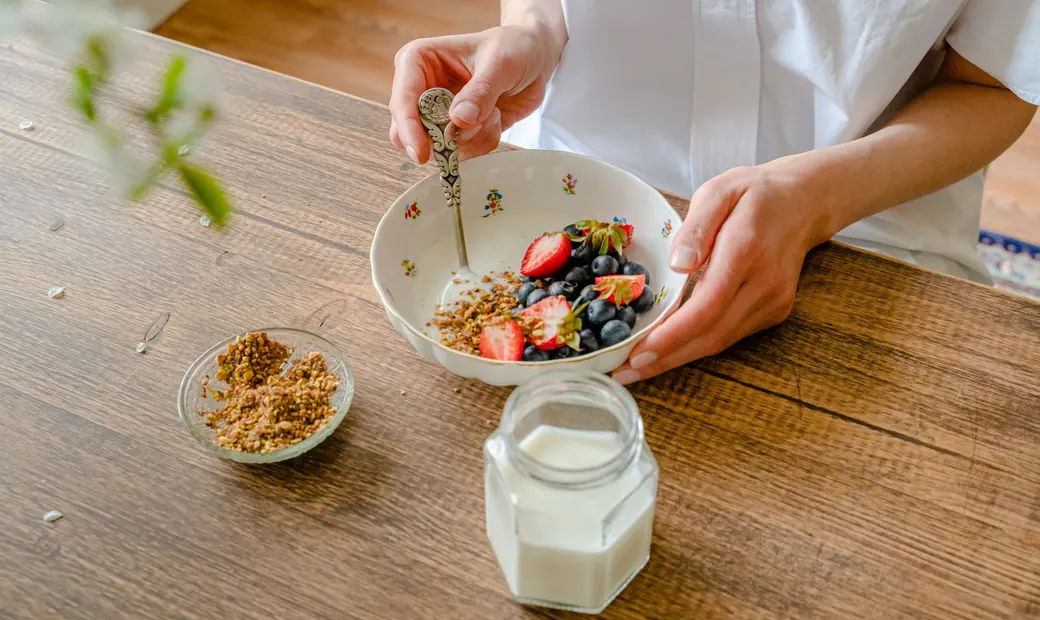
- Plain Greek yoghurt with berries, which adds protein to a naturally lower-sugar fruit.
- Apple or pear slices with peanut or almond butter.
- A small handful of nuts, around 30 grams of almonds, walnuts, pistachios or peanuts.
- Hummus with carrot, cucumber or pepper sticks.
- Hard-boiled eggs, alone or with cherry tomatoes.
- Cottage cheese with sliced cucumber or a few berries.
- Cheese with a few whole grain crackers.
- Edamame beans, steamed and lightly salted.
- Roasted chickpeas, which provide both fibre and protein.
- Celery with nut butter.
- A small tin of tuna or salmon on whole grain crackers.
- Avocado on a small slice of whole grain or seeded bread.
- Chia seed pudding made with unsweetened milk.
- Olives with a few cubes of cheese.
- A small portion of trail mix made mostly of nuts and seeds, with only a little dried fruit.
Rotating through a few of these keeps things interesting and avoids leaning on packaged options that tend to be higher in refined carbohydrates.
Snacks that look healthy but spike blood sugar
Several popular choices are marketed as healthy while behaving quite differently once eaten. Fruit juice and smoothies deliver a large amount of sugar without the chewing and fibre structure that slow absorption, so they tend to cause a quicker rise than whole fruit. Granola and many cereal or protein bars contain added sugars and refined grains, sometimes as much as a dessert. Rice cakes and plain crackers are low in fibre and protein and are digested quickly.
Flavoured yoghurts can contain several teaspoons of added sugar per pot, and dried fruit on its own is concentrated sugar that is easy to overeat. Products labelled diabetic or sugar free are not automatically better, as they may still be high in refined starch or contain sugar alcohols that cause digestive upset. Reading the label for added sugar, fibre and protein, and checking the portion size, tells you far more than front-of-pack claims.
Timing, bedtime snacks and low blood sugar
When you snack affects its usefulness. A snack that bridges a gap of five hours or more between meals can prevent the intense hunger that leads to overeating at the next meal. A small snack before exercise can help people who tend to run low during activity. Grazing continuously, on the other hand, keeps blood sugar and insulin elevated for longer, so a planned snack is better than frequent picking.
Bedtime snacks are individual. Some people with high morning fasting blood sugar find that a small protein and fat snack before bed, such as a few nuts or a piece of cheese, helps steady overnight levels, while others see no benefit, so it is worth testing with your own readings. It is also important to separate everyday snacks from treating hypoglycaemia. People who take insulin or sulfonylureas and have a low blood sugar need fast-acting glucose, typically around 15 grams from glucose tablets or juice, rechecked after 15 minutes. Nuts, cheese and other slow snacks are too slow to treat a low.
Building snacks into a steady eating pattern
Snacks work best as part of an overall pattern that already keeps blood sugar stable. Meals built around vegetables, protein and fibre-rich carbohydrates, eaten at fairly regular times, reduce the need for snacks in the first place. Many people find that adding protein to breakfast alone cuts mid-morning cravings noticeably.
Pairing food thoughtfully also helps at meals: eating vegetables and protein before starchy foods, or combining carbohydrates with protein and fat, measurably lowers the glucose peak. A short walk after eating adds to the effect. If you use a glucose meter or continuous monitor, checking one to two hours after a snack is an easy way to learn which options suit your body, since individual responses to the same food can vary considerably.
When to talk to a doctor or dietitian
Speak to your doctor or a registered dietitian if you have diabetes or prediabetes and want a personalised plan for meals and snacks, particularly if you take insulin or medication that can cause low blood sugar, since snack timing may need to match your treatment. A dietitian can tailor portions to your activity level, weight goals and food preferences.
See a doctor promptly if you experience frequent shakiness, sweating, confusion or intense hunger between meals, which may indicate low blood sugar episodes, or symptoms of high blood sugar such as excessive thirst, frequent urination or unexplained weight loss. This is general information rather than medical advice. For most people, a few well-built snacks, chosen deliberately rather than grabbed on impulse, make blood sugar noticeably easier to manage.
Frequently asked questions
What snacks do not raise blood sugar?
Snacks built mainly on protein, healthy fat and fibre cause the smallest rise, such as nuts, eggs, cheese, hummus with vegetables, olives and plain Greek yoghurt with a few berries.
Is fruit a good snack for blood sugar?
Whole fruit can fit well, especially berries, apples and pears, which contain fibre. Pairing fruit with protein or fat, such as nut butter or yoghurt, gives a gentler rise than fruit alone. Juice is best avoided.
How many carbs should a snack have for blood sugar control?
A common guide is around 15 to 20 grams of carbohydrate or less, paired with protein or fat, though individual needs vary with medication, activity and goals.
Are protein bars good for blood sugar?
Some are, but many contain added sugars and refined starches. Check the label for added sugar, fibre and protein content rather than relying on the word protein on the front.
Should I eat a snack before bed for blood sugar?
It depends on the person. A small protein and fat snack helps some people with high morning readings, while others see no benefit, so test your own blood sugar to find out.
Read next
- Blood Sugar Spikes: Why They Happen and How to Smooth Them
The science behind the post-meal rise.
- How to Reverse Prediabetes With Diet: What the Evidence Shows
The wider eating pattern that snacks fit into.
- Fibre: The Most Underrated Nutrient in Your Diet
Why fibre does so much of the work in steady blood sugar.
This article is for general informational purposes only and is not medical advice. Always consult a qualified healthcare professional about your individual situation, and never start or stop a medication without your doctor. See our Medical Disclaimer.