
Weight-Loss Pens: The Honest Pros and Cons of GLP-1 Medications
Key takeaways
- Average losses of 15 to 20+ percent in trials: a genuine breakthrough.
- Digestive effects, muscle loss, cost and post-stop regain are the honest downsides.
- Effects last only while treatment continues: think long-term therapy, not a course.
- Best results pair the pen with protein, strength training and medical follow-up.
- The decision belongs in a consultation, not in a comment section.
Weight-loss pens went from diabetes clinics to dinner-table conversation in record time, and online searches for them have grown roughly 25-fold. Between the miracle stories and the horror headlines sits the honest middle. This guide lays it out, column by column, so you can walk into a doctor's appointment informed rather than influenced.
What GLP-1 medications actually are
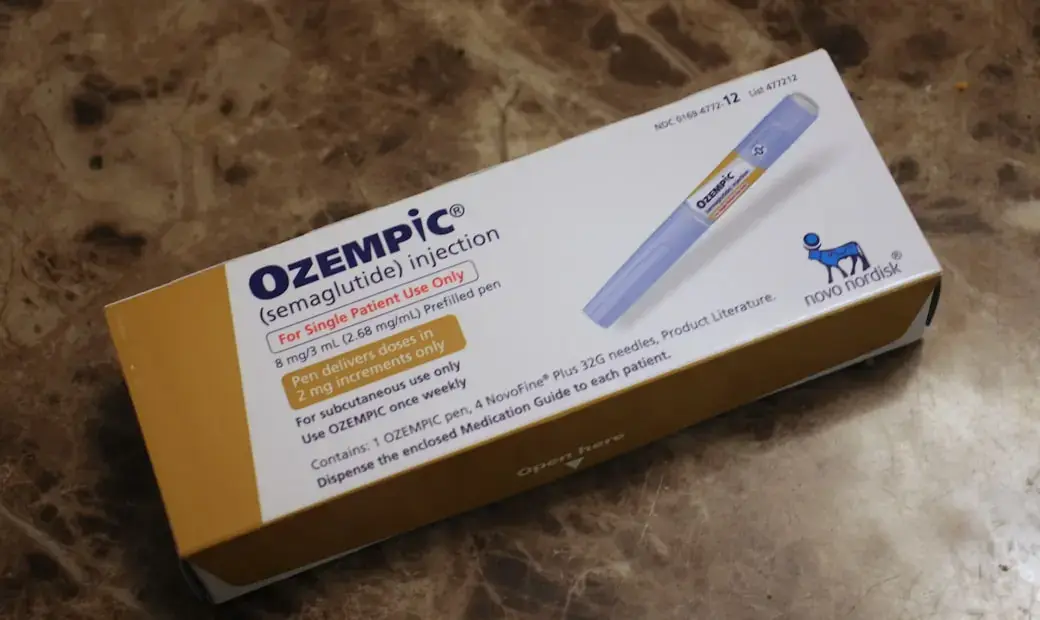
GLP-1 is a hormone your gut releases after eating. It tells the pancreas to release insulin when blood sugar rises, slows stomach emptying so fullness lasts longer, and signals satiety to the brain. The medications in this class, semaglutide (Ozempic, Wegovy), tirzepatide (Mounjaro, Zepbound) and the new oral options, mimic and amplify that signal at levels the body never produces on its own.
They were developed for type 2 diabetes, where they remain a cornerstone treatment. The weight-loss story emerged when trial after trial showed something unprecedented for a medication: double-digit percentage losses, sustained for as long as treatment continued.
The pros, backed by trials
The benefits column is genuinely impressive, and it goes beyond the scale:
- Weight loss in a new league: trials report average reductions around 15 percent of body weight with semaglutide and above 20 percent with tirzepatide, numbers previously seen only with bariatric surgery.
- Silence from food noise: users consistently describe the constant mental chatter about food dropping to a whisper, often for the first time in their lives.
- Metabolic improvements: better blood sugar, blood pressure and cholesterol profiles are documented across studies.
- Cardiovascular protection: large trials found semaglutide reduced major cardiac events in high-risk adults, a result that moved the medical conversation beyond aesthetics.
- Joint and mobility relief: less weight means less load, and studies report meaningful improvement in knee pain and physical function.
For people with obesity or type 2 diabetes who have fought their own biology for decades, this class is a legitimate breakthrough, and framing it as cheating misunderstands both the science and the struggle.
The cons nobody should skip
Now the other column, with the same honesty:
- Digestive side effects: nausea, vomiting, constipation and diarrhoea are common, especially when starting or increasing doses. Most cases settle; a minority find them intolerable.
- Muscle loss: without enough protein and resistance training, a meaningful share of the weight lost can be lean mass, which damages metabolism and strength.
- The rebound problem: stopping usually brings appetite roaring back; in trials, most regained the majority of lost weight within a year of discontinuing.
- Cost and access: list prices are high, insurance coverage is inconsistent, and long-term therapy multiplies the bill.
- Rare but serious risks: pancreatitis, gallbladder disease and a boxed warning about thyroid tumours seen in animal studies mean screening and monitoring are not optional.
- Aesthetic trade-offs: rapid loss can deflate facial volume (the famous Ozempic face) and sap energy if nutrition is neglected.
The question of forever
The least marketed fact about GLP-1s: they manage appetite, they do not cure its causes. Like blood pressure medication, the effect lasts while the treatment does. That reality reframes the decision: this is not a 3-month kickstart but a long-term commitment, financially and biologically, unless it is used deliberately as a window to rebuild habits, with a planned, medically supervised exit.
Clinicians increasingly discuss maintenance strategies, lower doses, longer intervals, switching to the new pills, but all of them assume ongoing engagement, not a finish line.
Who they are for, and who they are not for
Medical guidelines support these medications for adults with obesity, or overweight plus weight-related conditions, prescribed and monitored by a doctor. They are not appropriate for people seeking to lose a few vanity kilos, for those with certain thyroid or pancreatic histories, or during pregnancy.
The strongest results in real life come from pairing the prescription with the unglamorous foundations: protein at every meal, strength training, sleep and follow-up appointments. The pen creates the opening; the habits decide what fills it.
The takeaway
GLP-1 medications are the most effective weight-loss drugs ever brought to market, and they carry real costs: side effects, muscle risk, price, and a rebound that punishes unplanned exits. The worst way to decide is a social media clip; the best is an honest conversation with a doctor who knows your history, your goals and your budget. Powerful tool, real bill, informed choice.
Frequently asked questions
Are weight-loss pens safe?
For most eligible adults under medical supervision, yes: the safety profile is well studied. Common digestive effects are usually temporary; rare risks like pancreatitis have clear warning signs, and certain thyroid histories rule the drugs out. Safety depends heavily on legitimate prescribing and follow-up.
How much weight will I lose?
Trial averages sit around 15 percent of body weight for semaglutide and 20+ percent for tirzepatide over about a year, with wide individual variation. Some people respond far more, some barely at all.
Do I have to take them forever?
The effect lasts while treatment lasts. Many people use them long-term like any chronic therapy; others plan a supervised taper and rely on habits built during treatment. Unplanned stopping usually means regain.
Can I get them without a prescription?
No legitimate route exists. Online sellers offering pens without prescriptions are a safety and counterfeit risk, and compounded versions vary in quality. These are prescription drugs for a reason.
Read next
- Ozempic Side Effects: What Is Common, What Is Rare
The complete, honest map of side effects and how people manage them.
- Wegovy vs Ozempic: What Is Actually the Difference?
Same molecule, different labels: how doctors choose between them.
- Coming Off a GLP-1: Why Weight Returns
The exit strategy that protects your results.
This article is for general informational purposes only and is not medical advice. Always consult a qualified healthcare professional about your individual situation, and never start or stop a medication without your doctor. See our Medical Disclaimer.