
Wegovy vs Ozempic: What Is Actually the Difference?
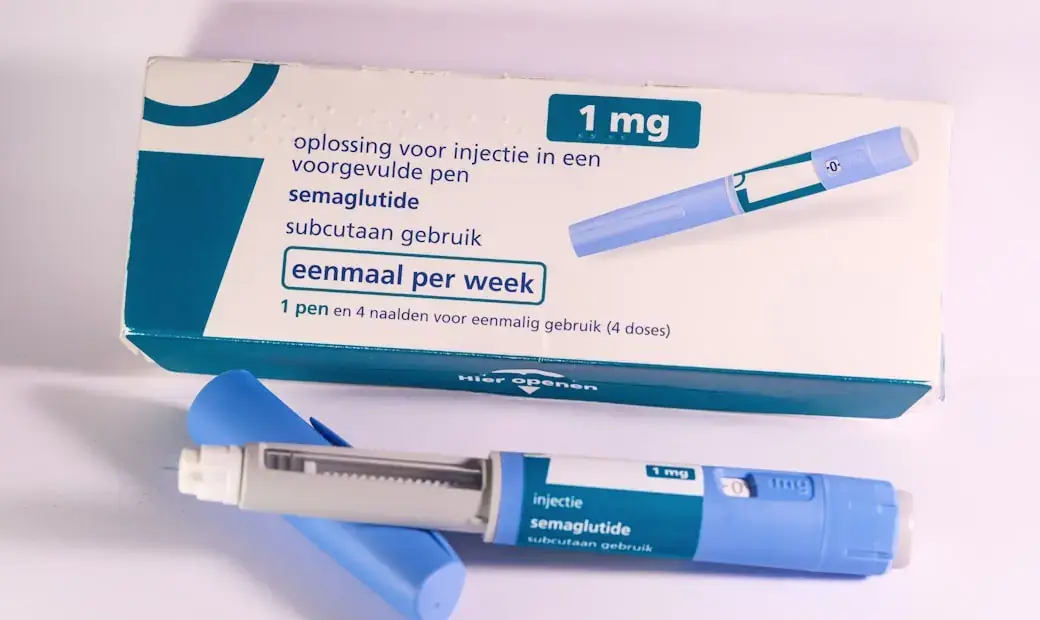
Key takeaways
- Both are semaglutide: identical molecule, identical mechanism.
- Ozempic is labelled for diabetes (up to 2 mg); Wegovy for weight management (up to 2.4 mg).
- Insurance follows the label and usually decides the real-world choice.
- Equal doses give equal results; higher Wegovy doses explain its bigger trial numbers.
- The meaningful decision is fit, dose and follow-up, not brand.
It is one of the most Googled drug questions on Earth, and the answer surprises people: Wegovy and Ozempic are the same molecule wearing different uniforms. The differences that matter are legal, financial and dosing details, and they decide which pen ends up in your fridge.
Same engine, different tuning
Both medications contain semaglutide. The split is regulatory:
- Ozempic is approved for type 2 diabetes, at maintenance doses typically up to 2 mg weekly, with weight loss as a welcome secondary effect.
- Wegovy is approved specifically for chronic weight management, with a dose ladder reaching 2.4 mg weekly, the level used in the landmark obesity trials.
Prescribing Ozempic purely for weight loss is off-label use: legal and common, but it interacts badly with insurance rules, which is where real-world differences begin.
The insurance battlefield
Coverage follows the label, not the chemistry. Diabetes plans may cover Ozempic and refuse Wegovy; plans without obesity benefits may refuse both for weight purposes. Two neighbours on the same molecule can pay wildly different amounts for identical biology.
Practical consequences users discover: prior-authorisation paperwork, pharmacy switching when one brand is short, and the rise of the new oral options as coverage alternatives. Before any brand preference, the first question is simply: what does my plan actually cover, at which dose, for which diagnosis?
Do results differ?
At equal doses, effectiveness is equivalent, same molecule, same receptors. Wegovy's higher maximum dose is why weight-loss trials under its name show larger average losses; a diabetes patient on lower-dose Ozempic losing less is seeing dose economics, not a weaker drug.
Side-effect profiles are likewise identical in kind, scaling with dose: the higher you climb the ladder, the more the gut complains during transitions.
How the choice is actually made
In practice, a doctor weighs four things: your diagnosis (diabetes points to Ozempic's label, obesity to Wegovy's), your insurance reality, availability at your pharmacies, and your history with side effects. Brand marketing sits nowhere on that list.
The better question than which brand is: does a GLP-1 fit my case at all, at what dose, with what plan for muscle, protein and follow-up? That conversation, not the logo, determines results.
The takeaway
Wegovy and Ozempic are the same drug at different approved doses for different diagnoses. Let the label, your coverage and your doctor pick the uniform; your habits and follow-up will decide the outcome either way.
Frequently asked questions
Can I use Ozempic for weight loss without diabetes?
Doctors can and do prescribe it off-label, but insurance often refuses coverage for that use, and Wegovy or the newer options exist precisely for weight management. It is a prescriber-and-coverage conversation.
Is Wegovy stronger than Ozempic?
Only in the sense that its approved dose ladder goes higher (2.4 mg vs 2 mg). Milligram for milligram they are the same drug.
If one is out of stock, can I switch to the other?
Switching between semaglutide brands is medically straightforward at equivalent doses, but it must be coordinated by your prescriber and your insurance, not improvised at the pharmacy counter.
Read next
- Mounjaro vs Zepbound vs Wegovy: The 2026 Comparison
Tirzepatide vs semaglutide, head to head.
- The New GLP-1 Pills, Explained
Orforglipron and oral Wegovy changed the menu.
- Weight-Loss Pens: Honest Pros and Cons
The complete decision guide.
This article is for general informational purposes only and is not medical advice. Always consult a qualified healthcare professional about your individual situation, and never start or stop a medication without your doctor. See our Medical Disclaimer.