
Green Tea and Matcha: What the Health Claims Really Mean
Key takeaways
- Green tea and matcha are rich in catechin antioxidants, especially EGCG, with matcha delivering more per cup.
- The caffeine and L-theanine pairing has decent support for calm, focused alertness.
- Links to heart health and slight fat burning are real but modest, and often association rather than proof.
- The drink is a healthy habit, not a medicine, and sugary matcha lattes undo much of the point.
- Concentrated green tea extract supplements carry a rare liver risk, so the brewed drink is the safer choice.
Green tea, and its concentrated cousin matcha, sit near the top of almost every list of healthy drinks. The claims are big: antioxidant powerhouse, fat burner, brain booster, heart protector. A fair amount of this rests on real research, which sets green tea apart from many wellness trends. The trick is knowing how big these effects actually are, because gentle and genuine is closer to the truth than dramatic. Here is the honest picture.
What is in the cup
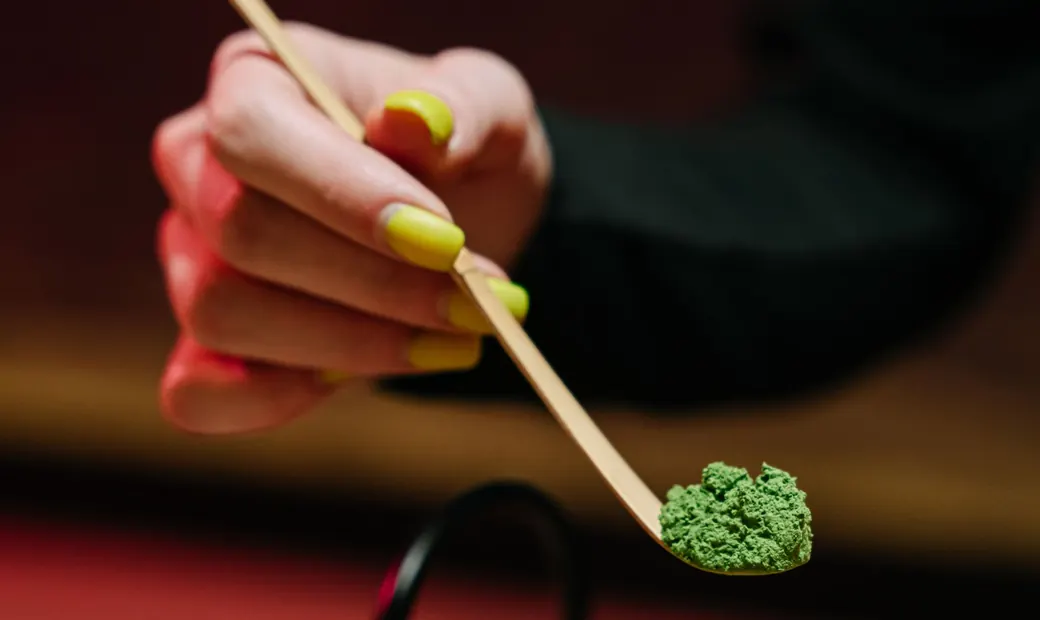
Green tea comes from the same plant as black tea, but it is processed less, which preserves more of its natural compounds. The stars are catechins, a group of antioxidants, and the most studied one is called EGCG. Matcha is green tea leaves ground into a fine powder that you whisk into water and drink whole, rather than steeping and discarding the leaves, so a cup of matcha tends to deliver more of these compounds, and more caffeine, than a standard brewed green tea.
Green tea also contains L-theanine, an amino acid linked to calm focus, which pairs with the caffeine to give the smooth, steady alertness many people notice compared with coffee.
The antioxidant story, in proportion
Green tea is genuinely rich in antioxidants, and EGCG is one of the more potent ones in the diet. In the lab, these compounds mop up the unstable molecules that contribute to cell damage over time.
Here is where honesty helps. Being a strong antioxidant in a test tube is not the same as curing or preventing disease in a person. The realistic takeaway is that green tea is a healthy, antioxidant-rich drink that fits well into a good diet, not a medicine. Enjoy it for what it is rather than for miracle claims.
Brain, heart and weight: what holds up
Across the main claims, the pattern is small but real:
- Focus and mood: the caffeine and L-theanine combination has decent support for improving alertness and attention while keeping you calmer than coffee alone.
- Heart: populations that drink green tea regularly tend to have somewhat better heart health markers, though this is association, not proof.
- Weight: the caffeine and catechins can nudge up calorie and fat burning slightly, but the effect is modest and not a weight-loss solution on its own.
None of these is dramatic. Together they add up to a drink that is a small, pleasant plus for health rather than a transformative one.
How to get the most from it
A few practical notes:
- Do not boil it: very hot water can make green tea bitter. Slightly cooled water tastes better and is gentler on the leaves.
- Mind the timing: it still contains caffeine, and matcha more so, which means an afternoon cup can disturb sleep for sensitive people.
- Skip the sugar bombs: a sweetened matcha latte with syrup undoes a lot of the point. The benefits are in the tea, not the sugar.
Cautions and realistic expectations
For most people, a few cups of green tea a day is safe and enjoyable. The main things to watch are the caffeine, which can affect sleep, anxiety or heart rhythm in sensitive people, and concentrated green tea extract supplements, which are a different story from the drink. High-dose EGCG supplements have, in rare cases, been linked to liver problems, so the drink is the safer way to enjoy it.
If you are pregnant, sensitive to caffeine, or take medication, it is worth a word with your doctor, especially before using any concentrated extract. Green tea and matcha are a genuinely good habit, a tasty, antioxidant-rich drink that supports a healthy routine. Just hold the expectations at sensible, and let it be a pleasant part of the day rather than a cure for anything.
Frequently asked questions
Is matcha healthier than green tea?
Matcha delivers more catechins and caffeine per cup because you drink the whole ground leaf rather than steeping and discarding it. It is a more concentrated version of the same benefits, not a fundamentally different drink.
Does green tea help you lose weight?
Only slightly. The caffeine and catechins can nudge up calorie and fat burning, but the effect is modest and not a weight-loss solution. Sugary matcha drinks cancel it out entirely.
How much green tea is safe?
For most people, a few cups a day is fine. The main limit is caffeine, which can affect sleep or anxiety in sensitive people. Concentrated extract supplements are a different, higher-risk matter.
Can green tea replace coffee for focus?
Many people find it gives calmer, steadier alertness thanks to L-theanine alongside the caffeine. It has less caffeine than coffee in most cases, so the lift is gentler.
Read next
- Caffeine and Sleep: The Timing Rules Nobody Follows
How your caffeine timing quietly shapes your night.
- Anti-Inflammatory Foods: Building a Plate That Calms
The everyday foods with real anti-inflammatory support.
- Do You Actually Need Supplements? An Honest Guide
A grounded look at which supplements are worth it and which are not.
This article is for general informational purposes only and is not medical advice. Always consult a qualified healthcare professional about your individual situation, and never start or stop a medication without your doctor. See our Medical Disclaimer.