
Greens Powders: Are They Worth It? What the Evidence Says
Key takeaways
- Greens powders are dried blends meant to top up nutrients, and the better ones contain genuinely useful ingredients.
- Their broad health benefits are largely unproven, and many supportive studies are funded by the companies selling them.
- They are not a substitute for real vegetables, being low in fibre and lacking the full package of whole produce.
- Detox, energy and dramatic wellness claims outrun the evidence, and their fame owes much to marketing rather than trials.
- They may help people who genuinely struggle to eat enough produce, but for most, whole foods give a better return.
Greens powders have become one of the most heavily marketed supplements around, promoted by podcasters and influencers as an effortless way to pour a day's worth of vegetables into a glass. The premium price and the glossy promises can make them feel almost essential to a healthy routine. But strip away the slick marketing and the picture is a good deal more modest, and for many people the honest answer is that the money could go further elsewhere. Here is what greens powders can genuinely do, where the claims outrun the evidence, and who might actually benefit.
What are greens powders, and do they work?
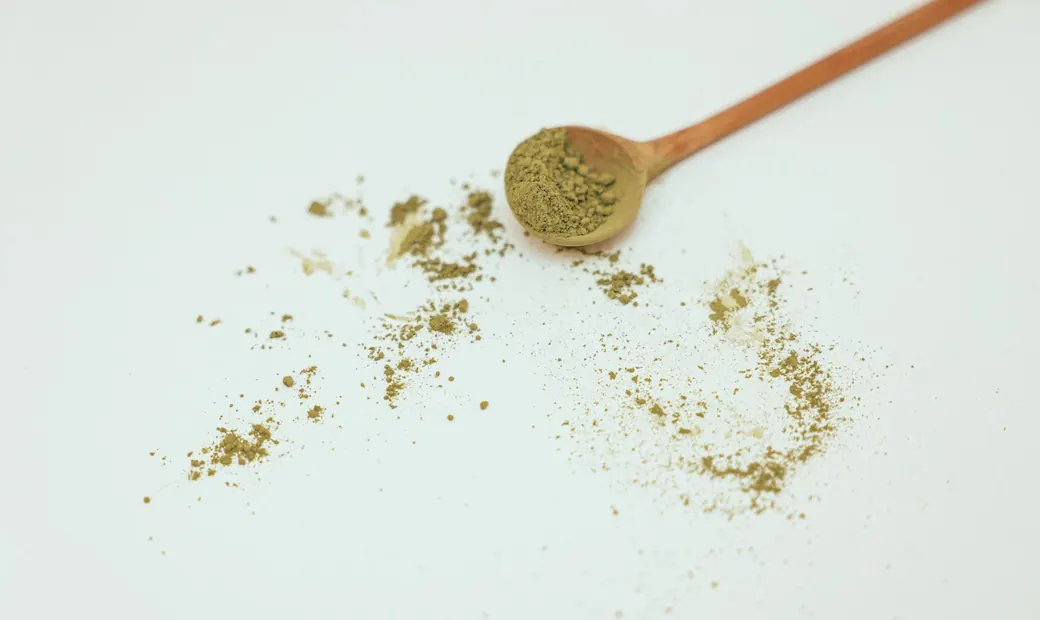
Greens powders are blends of dried, powdered ingredients, typically some mix of vegetables, fruits, algae like spirulina, herbs, and often added vitamins, minerals, probiotics and digestive enzymes, designed to be mixed into water or a smoothie. The pitch is convenience: a single scoop standing in for the variety of plants most people struggle to eat. As an idea it is appealing, and the better products do contain genuinely useful nutrients, so they are not simply coloured dust.
Whether they work in the way the marketing implies is another matter, and here the honest answer is that the benefits are largely unproven. Nutrition experts tend to be lukewarm, noting that while a greens powder can help fill certain nutrient gaps, no powder replaces the full package of a varied diet rich in whole fruits and vegetables. Some small studies suggest they can improve specific nutrient levels, but many of those studies are funded by the very companies selling the products, which is a real reason to treat glowing results with caution rather than as settled proof.
What a greens powder can and cannot replace
The single most important thing to understand is that a greens powder is not a substitute for actual vegetables, however much the name suggests otherwise. Whole fruits and vegetables deliver fibre, water, and a complex mix of compounds in forms and combinations that a dried, processed powder cannot fully reproduce. In particular, greens powders are usually low in the fibre that is one of the main reasons vegetables are so good for you, so leaning on a scoop while neglecting real produce misses much of the point.
What a greens powder can more reasonably do is act as a top-up rather than a replacement. For someone whose diet genuinely falls short on certain vitamins or minerals, a quality powder may help narrow those specific gaps, and there is some evidence pointing in that direction. But framing it as an insurance policy for an imperfect diet is very different from treating it as your source of vegetables. The moment a powder becomes the reason someone eats fewer real plants, it has stopped helping and started substituting for the thing that actually matters. Keeping the powder firmly in its supporting role is the whole trick to using one well.
Where the marketing outruns the science
Greens powders are sold with an unusually broad sweep of promises, from boundless energy and better digestion to detoxing, glowing skin and a stronger immune system, and this is exactly where healthy scepticism earns its keep. Most of these claims are not backed by solid, independent evidence, and the detox angle in particular has no real basis, since your liver and kidneys already handle that job without help from a powder. A striking colour and a long ingredient list are not the same as proven results.
It is also worth naming the role of marketing directly, because with these products it is doing a lot of the heavy lifting. Greens powders are often promoted through sophisticated campaigns and prominent endorsements, and experts have pointed out that this kind of promotion should not be mistaken for scientific evidence. When a supplement's fame rests more on podcast sponsorships than on trials, that is a signal to judge it on what it actually contains and what the independent evidence shows, rather than on how confidently and how often you have heard it recommended.
Who might actually benefit
None of this means greens powders are useless for everyone, and there are people for whom they make more sense. Someone who genuinely struggles to eat enough fruit and vegetables, whether through a busy life, a limited diet or higher nutrient needs, may reasonably use a quality powder to help fill the gaps, and there is some evidence they can improve certain nutrient levels in that situation. Athletes or people with elevated requirements sometimes fall into this camp too.
The key qualifier is that the powder should be an addition to genuine effort on your diet, not a replacement for it or an excuse to stop trying. For the average person who could instead spend the same money on actual vegetables, most experts would say whole foods give a far better return on your nutritional investment. If you do choose a greens powder, it works best as a considered top-up for a real shortfall, chosen for what it contains rather than for the strength of its advertising.
What to look for, and the caveats
If you decide a greens powder fits your situation, a few practical pointers help you spend wisely. Look for transparency about what is actually in it and in what amounts, since some products hide modest doses behind impressive-sounding proprietary blends, and be wary of ones packing vitamins and minerals far beyond recommended levels, which is neither necessary nor always harmless. As with any supplement grown from plants and algae, quality and testing matter, because contamination is a genuine possibility with lower-quality products.
It is also worth keeping expectations and spending in proportion. Greens powders are often expensive for what they deliver, and the premium frequently pays for marketing as much as for nutrition. Used sensibly, as an optional top-up chosen for real content and value, a greens powder is a reasonable, if pricey, convenience. Treated as a magic health elixir or a licence to skip vegetables, it is neither, and recognising that difference is what keeps it from being an expensive habit that quietly does very little.
The bottom line, and when to see a doctor
Greens powders are a convenient, heavily marketed top-up with some ability to help fill nutrient gaps, wrapped in a great deal of hype that the evidence does not support. For most people eating a reasonable diet, they are an optional extra rather than a necessity, and the same money spent on actual fruits and vegetables usually buys more genuine benefit. If you enjoy one and can afford it, there is no harm in a quality product, provided it adds to your diet rather than replacing real food.
If you are turning to a greens powder because you are worried about your nutrition, feeling persistently tired, or think you might be short on something specific, that is worth a conversation with a doctor or dietitian rather than a guess in the supplement aisle. They can check for genuine deficiencies and advise on whether a supplement is warranted at all. This is general information, not medical advice, and any real nutritional concern deserves a proper assessment. A quick blood test can often settle in a day what a year of guessing with powders never will.
Frequently asked questions
Are greens powders worth it?
For most people eating a reasonable diet, they are an optional, often pricey extra rather than a necessity. They can help fill specific nutrient gaps, but the same money spent on real fruits and vegetables usually gives more benefit.
Can a greens powder replace vegetables?
No. Greens powders are usually low in fibre and lack the full mix of compounds whole produce provides. They work best as a top-up for a shortfall, not as a replacement for eating real vegetables.
Do greens powders actually do anything?
The better ones can help fill certain nutrient gaps, and some small studies show improved nutrient levels. But broad claims about energy, detox and immunity are largely unproven, and many studies are funded by the sellers.
Who benefits most from greens powders?
People who genuinely struggle to eat enough fruit and vegetables, or who have higher nutrient needs, may reasonably use a quality one as a top-up. For the average person, whole foods are a better investment.
Read next
- Do You Actually Need Supplements? An Honest Guide
A grounded look at which supplements are worth it and which are not.
- Spirulina: What the Evidence Says About the Blue-Green Superfood
A common greens-powder ingredient, examined on its own.
- Vitamins and Minerals: The Essentials, Explained Simply
A clear guide to the nutrients that actually matter.
This article is for general informational purposes only and is not medical advice. Always consult a qualified healthcare professional about your individual situation, and never start or stop a medication without your doctor. See our Medical Disclaimer.