
Spirulina: What the Evidence Says About the Blue-Green Superfood
Key takeaways
- Spirulina is blue-green algae that is very nutrient-dense by weight, high in protein, iron, B vitamins and antioxidant pigments.
- At the small daily doses people take, its actual contribution is modest, so it is a supplement rather than a meaningful protein source.
- It has some real, mostly modest evidence for antioxidant and immune markers, blood sugar, cholesterol and allergy symptoms.
- Detox, energy and dramatic weight claims run well ahead of the evidence and are best treated with scepticism.
- Contamination with heavy metals or toxins is a real risk, so buying tested products from reputable brands genuinely matters.
Spirulina turns up everywhere in the wellness world, a vivid blue-green powder stirred into smoothies and pressed into tablets, sold with the confident promise that it is one of the most nutrient-dense foods on the planet. Some of that reputation is genuinely earned, because spirulina really is a remarkable little organism nutritionally. But as with most things labelled a superfood, the marketing runs well ahead of the evidence, and there is a safety catch worth knowing about. Here is what spirulina can honestly do, and what to keep a healthy scepticism about.
What spirulina actually is
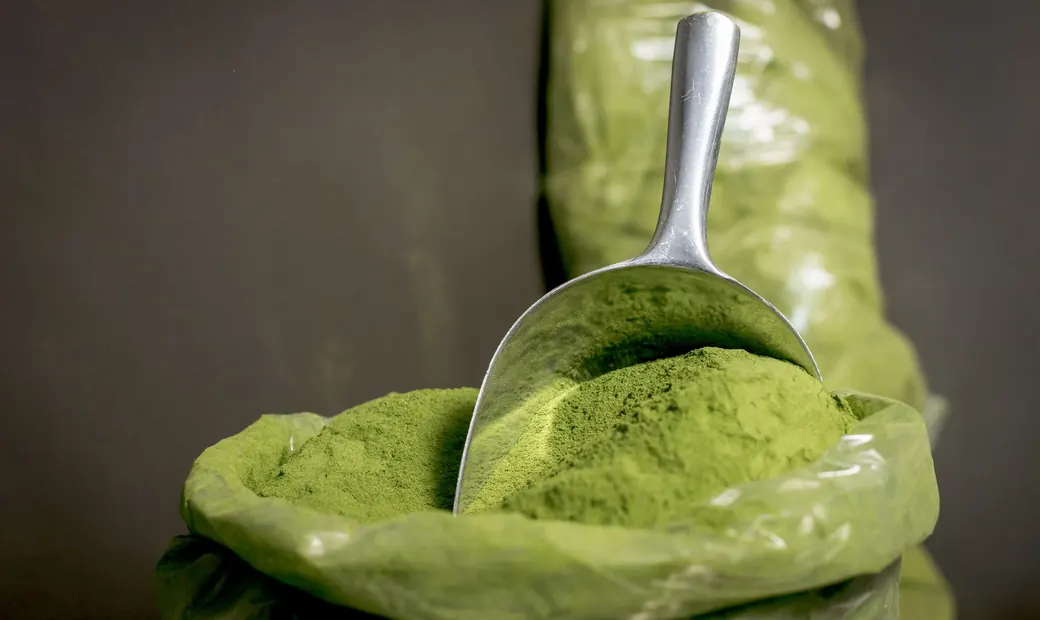
Spirulina is a type of blue-green algae, a microscopic organism that grows in water and is harvested, dried and sold as a powder or tablet. What makes it genuinely notable is its nutritional density: by dry weight it is very high in protein, containing all the essential amino acids, and it packs in iron, several B vitamins, and a distinctive blue pigment called phycocyanin that acts as an antioxidant. Gram for gram, that is an impressive nutritional profile, and it is the real basis for the superfood label.
The important reality check is in the serving size, which the enthusiastic descriptions tend to gloss over. People typically take spirulina in small amounts, a few grams a day, so while it is nutrient-dense per gram, the actual contribution to your daily needs is modest at those doses. It is better thought of as a concentrated nutritional supplement that tops things up than as a meaningful source of protein or a meal replacement. The nutrition is real, but the quantities most people take keep its everyday impact smaller than the hype suggests. In plain terms, it is a helpful little extra on top of a good diet, not a food that will single-handedly transform your nutrition on its own.
The benefits that have some support
Spirulina does have some genuine, if still developing, evidence behind a handful of its claims. The most consistent signals in the research are in areas like antioxidant and immune markers, blood sugar control, and cholesterol and other blood fats, where some studies have found modest improvements. There is also reasonable evidence that it can help with allergic rhinitis, the sneezing and congestion of hay-fever-type allergies, which is one of its better-supported and more specific uses.
The honest framing is that these are promising, mostly modest effects drawn from a mix of preclinical work and small human studies, rather than firmly established benefits from large trials. Spirulina is an interesting supplement with some real signals, not a proven remedy for the long list of conditions it gets marketed for. Treating it as a reasonable nutritional add-on with a few possible perks is fair, whereas treating it as a treatment for any specific disease is getting well ahead of what the science currently supports.
Where the claims outrun the science
Spirulina attracts an enormous range of dramatic claims, from detoxing the body to boosting energy, melting fat and curing all manner of ailments, and this is where a healthy scepticism pays off. The detox claims in particular have no real mechanism or evidence behind them, and the weight and exercise-performance benefits, where they show up at all, tend to be small and dependent on context rather than the transformation the marketing implies. A striking colour and a good nutritional profile do not add up to the sweeping powers often attributed to it.
It helps to apply the same test you would to any superfood: being rich in nutrients in a dish or a tablet is not the same as delivering dramatic health outcomes in a person. Spirulina is a good example of a food whose genuine, modest merits get inflated into something close to magic. Enjoying it for its real nutritional density and its few evidence-backed perks is entirely reasonable, but buying it in the belief that it will detoxify you or transform your health is buying the marketing rather than the science. Keeping that line clear saves you both money and disappointment.
The safety catch: quality and contamination
Here is the part that matters most for anyone actually taking it, and it is not about effectiveness but about safety. Because spirulina is grown in water and its quality depends heavily on the conditions it is produced in, contaminated products can contain harmful substances, including heavy metals and, in some cases, toxins produced by other organisms that can grow alongside it. This is a genuine, documented risk rather than a theoretical one, and it is the single most important thing to be careful about.
The practical protection is to buy from reputable brands that test their products for contaminants, ideally with some form of independent verification, rather than the cheapest option from an unknown source. This is exactly the kind of supplement where cutting corners on quality can turn a harmless health habit into a real hazard. Aside from contamination, spirulina is generally well tolerated, though some people get mild stomach upset, headaches or, occasionally, allergic reactions, so it is worth starting with a small amount to see how you respond.
Who should be cautious
Spirulina is not right for everyone, and a few groups should be especially careful. People with autoimmune conditions are sometimes advised to be cautious, since spirulina can stimulate the immune system, which is not always desirable. Anyone with a rare metabolic disorder called phenylketonuria needs to avoid it because of its amino acid content, and people on blood-thinning medication or with bleeding disorders should check with a doctor first, as should anyone who is pregnant or breastfeeding, where good safety data is limited.
For most healthy adults, a quality spirulina product taken in sensible amounts is a low-risk thing to try if it appeals to you. The sensible approach is the same as with any supplement: match it to a genuine reason for taking it rather than a vague sense that a superfood must be good, choose a trustworthy source, start small, and do not let it crowd out a varied diet that already provides most of what your body needs. If you take medication or have a health condition, a quick word with your doctor or pharmacist is the cautious move before adding it.
The bottom line, and when to see a doctor
Spirulina is a genuinely nutrient-dense supplement with a few modest, evidence-backed perks, most notably for antioxidant and immune markers and allergy symptoms, wrapped in a great deal of superfood marketing that outruns the science. Enjoyed for what it is, a concentrated nutritional add-on from a trustworthy source, it is a reasonable choice. Relied on as a detox, a cure or a shortcut to health, it is overhyped, and the quality of the specific product you buy matters more than any claim on the tub.
If you are turning to spirulina to address a real health concern, whether that is fatigue, an ongoing symptom or a condition you are worried about, that deserves a proper look from a doctor rather than trust in a supplement. And because contamination is a genuine risk and it can interact with some conditions and medications, it is worth flagging to your doctor or pharmacist if you take it regularly, so they can factor it into the rest of your care. This is general information, not medical advice tailored to your situation.
Frequently asked questions
Is spirulina actually good for you?
It is genuinely nutrient-dense and has some modest evidence for antioxidant and immune markers, blood sugar, cholesterol and allergy symptoms. But at typical small doses its impact is modest, and the bigger superfood claims outrun the science.
Does spirulina detox your body?
No. The detox claims have no real mechanism or evidence behind them. Spirulina is a nutrient-dense supplement with a few possible perks, not a cleanse or a cure for anything.
Is spirulina safe?
For most healthy adults in sensible amounts, yes, but quality is crucial. Contaminated products can contain heavy metals or toxins, so buy tested products from reputable brands. Some groups, including pregnant women and people with autoimmune conditions, should check with a doctor first.
Is spirulina a good source of protein?
It is very high in protein by weight, but people take only a few grams a day, so the actual protein you get is small. It tops up your intake rather than serving as a meaningful protein source.
Read next
- Do You Actually Need Supplements? An Honest Guide
A grounded look at which supplements are worth it and which are not.
- Vitamins and Minerals: The Essentials, Explained Simply
A clear guide to the nutrients that actually matter.
- Anti-Inflammatory Foods: Building a Plate That Calms
The everyday foods with real anti-inflammatory support.
This article is for general informational purposes only and is not medical advice. Always consult a qualified healthcare professional about your individual situation, and never start or stop a medication without your doctor. See our Medical Disclaimer.