
Natural Ozempic? What Actually Boosts GLP-1 Without a Prescription
Key takeaways
- No supplement replicates prescription GLP-1 drugs, and berberine shows modest metabolic effects at best.
- The drugs work by resisting the enzyme that breaks GLP-1 down, turning a brief signal into a sustained one.
- Protein is the strongest meal-based stimulator of your own GLP-1, with fermentable fibre working more slowly.
- Fibre acts indirectly through gut bacteria, so its effect builds over weeks rather than appearing at the next meal.
- Natural support is a foundation rather than a substitute, and it matters more rather than less if you take medication.
Search interest in natural alternatives to Ozempic is enormous, and so is the supply of nonsense meeting it. Two things are true at once, and most coverage manages only one of them. Nothing sold over the counter comes close to what the prescription medications do, and your body genuinely manufactures GLP-1 after every meal in amounts that your daily choices measurably influence. The useful version of this topic sits between the marketing and the dismissal.
What GLP-1 actually is, and what the drugs do differently
GLP-1 is a hormone released by cells lining your intestine in response to food arriving. It signals fullness to the brain, slows how quickly the stomach empties, and prompts insulin release when blood sugar rises. This is normal physiology that happens in everyone after every meal.
Semaglutide and tirzepatide are not replacements for a hormone you lack. They are engineered versions that resist the enzyme which normally breaks GLP-1 down within minutes, so instead of a brief signal after eating you get a sustained one lasting days. That is the entire trick, and it is why they produce effects no food can reproduce.
Understanding that distinction settles most of the argument. Your own GLP-1 rises and falls over minutes to hours. A weekly injection holds the signal more or less permanently. Food can influence the height and timing of your natural peaks, which is worth something real, and it cannot change their duration, which is where the drugs' power actually comes from.
The claims to delete first
Supplements marketed as nature's Ozempic, with berberine leading the field, do not replicate prescription effects, and the comparison is marketing rather than pharmacology. Studies of berberine show modest metabolic effects, which is genuinely interesting and nowhere near pharmaceutical appetite suppression.
The same applies to the teas, drops, apple cider vinegar protocols and probiotic blends sold on the comparison. A reliable reflex: anything promising drug-like weight loss from a capsule has already told you what it is. Our fuller look at berberine against Ozempic covers the evidence in detail.
There is a second category worth naming, because it is more expensive and less honest: injectable peptides sold online as alternatives. Those are not natural anything, they are unapproved pharmaceuticals bought outside the prescription system, and we covered what that market actually contains in our guide to peptides for weight loss.
What genuinely raises your own GLP-1
Your gut releases GLP-1 in response to what arrives and how fast. The levers that actually exist are these.
- Protein: the strongest meal-based stimulator, which is part of why protein-forward breakfasts quiet mid-morning hunger.
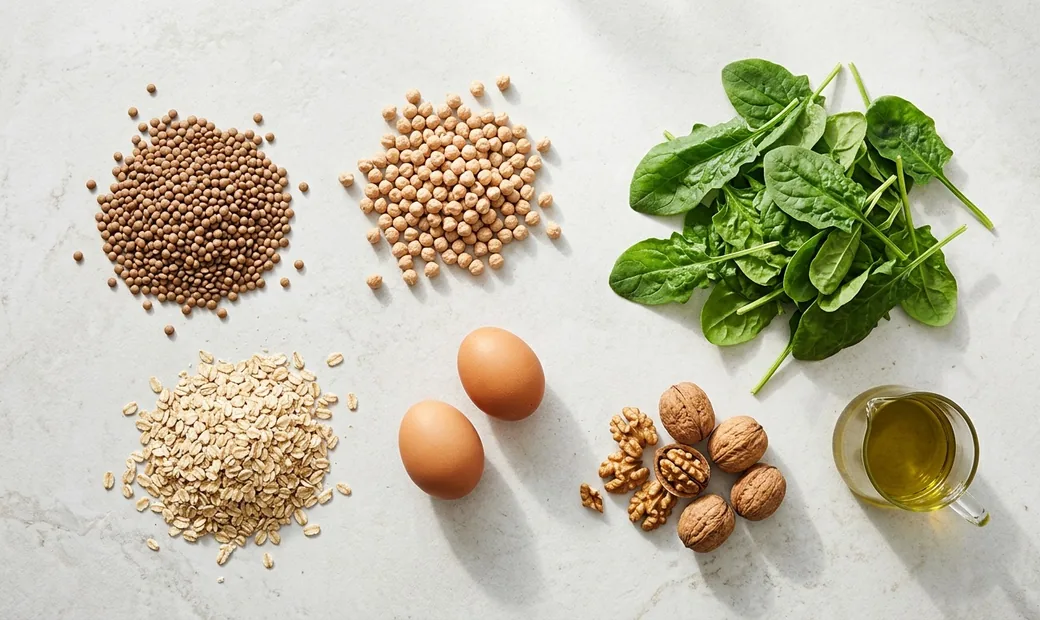
- Fermentable fibre: beans, lentils, oats, vegetables and whole grains, which feed gut bacteria whose by-products stimulate the cells that produce GLP-1.
- Healthy fats: olive oil, nuts and avocado trigger satiety signalling as well.
- Eating slowly: hormone release takes time, and racing through a meal finishes it before the signal arrives.
- Meal rhythm: regular meals produce a more predictable pattern than grazing or long gaps followed by large meals.
- Sleep and movement: both improve how sensitively the whole appetite system responds.
The fibre route deserves a note because it works differently from the others and more slowly. Protein and fat stimulate GLP-1 release fairly directly as food passes. Fermentable fibre works indirectly, by feeding bacteria further down whose fermentation products act on the hormone-producing cells, which means the effect builds over weeks of consistent intake rather than appearing at the next meal. Our guide to why fibre is the most underrated nutrient covers the broader case.
Sleep is the lever most people have and fewest people use. Insufficient sleep demonstrably raises hunger and shifts appetite toward energy-dense food, and no dietary pattern fully compensates for it. Someone sleeping five hours and taking a supplement to control appetite has the order of operations backwards.
The honest comparison
Natural stimulation is a whisper next to the drugs' megaphone. It will not produce twenty percent weight loss, and pretending otherwise is the entire business model of the supplement aisle. Being clear about that is what makes the rest of the advice credible.
What it does produce is real and underrated: a quieter baseline appetite, steadier energy across the day, better blood sugar behaviour after meals, and eating habits that work with your biology rather than against it. For someone whose weight is modestly above where they want it, that can be sufficient. For someone with substantial obesity and a long history of regain, it is a foundation rather than a treatment, and treating it as a treatment is how people conclude they have failed at something that was never going to be enough on its own.
The framing that holds up is a dimmer switch rather than an off button. Our guide to the honest pros and cons of the pens covers what the medical route involves for anyone who concludes the dimmer is not enough.
Why this matters even if you take the medication
The natural levers do not become irrelevant on a prescription, and there is a reasonable argument that they matter more rather than less.
Protein intake is the main protection against losing muscle alongside fat, which is the central nutritional problem on these drugs. Fibre addresses the constipation that affects most users. And the eating patterns built while the medication is doing the hard work are the ones available when it stops, which is the whole question addressed in our guide to why weight returns after coming off.
This is the part that gets lost in the natural-versus-medical framing. The two are not competing options. The medication produces the deficit; the habits determine the composition of what you lose and whether any of it holds afterwards. People who treat the pen as a substitute for the foundation tend to regain, and people who build the foundation during treatment tend not to.
A realistic plan
If you want the natural version done properly rather than as a hedge against buying something, it is short enough to state in full. Protein at every meal, aiming to make it the first thing you eat. A wide variety of plant fibre daily rather than one high-fibre product. Olive oil, nuts and avocado as the default fats. Meals at roughly consistent times, eaten slowly enough to notice finishing them.
Then the parts that are not food: seven hours of sleep treated as non-negotiable, daily movement of any kind, resistance training twice a week, and some handling of stress, which drives eating independently of hunger. Give it eight to twelve weeks before judging it, because the fibre-related effects build slowly and because appetite changes are easier to notice in hindsight than day to day. If at the end of that you are still fighting constant food preoccupation, that is useful information to take to a doctor rather than evidence that you lack discipline.
When to see a doctor
See a doctor rather than continuing to self-manage if your weight is affecting your health, if you have persistent food preoccupation that diet changes do not touch, or if you have blood sugar, blood pressure or cholesterol readings that are drifting. Obesity is a medical condition with treatments, and arriving at the conversation having already built good habits improves what those treatments can do.
Speak to a doctor or pharmacist before starting berberine or any supplement marketed for blood sugar or appetite, particularly if you take medication for diabetes or blood pressure, since interactions are possible and are poorly studied for most of these products. Seek assessment for unintentional weight loss, persistent vomiting, or new severe abdominal pain. This is general information rather than medical advice, and no supplement discussed here is a substitute for medical treatment of obesity or diabetes.
Frequently asked questions
Is berberine really natural Ozempic?
No. Berberine shows modest metabolic effects in studies, which is nothing close to what GLP-1 medications do. The nickname is marketing rather than pharmacology.
Which foods increase GLP-1 the most?
Protein-rich foods have the strongest immediate effect, with fermentable fibre from beans, lentils, oats and vegetables working more slowly through gut bacteria. Healthy fats contribute as well.
Can you quiet your appetite without medication?
Meaningfully, yes. Protein at each meal, varied plant fibre, regular meal timing, adequate sleep and stress management lower baseline hunger for most people. It is a dimmer switch rather than an off button.
Why can't food match the medication?
Your own GLP-1 is broken down within minutes, so food influences the height of brief peaks. The drugs resist that breakdown and hold the signal for days, which no food can reproduce.
Do these habits still matter on Ozempic or Wegovy?
More, not less. Protein protects muscle, fibre addresses constipation, and the habits built during treatment are what remain when the medication stops.
Read next
- Berberine vs Ozempic for Weight Loss: An Honest Comparison
The headline supplement, examined.
- Fibre: The Most Underrated Nutrient in Your Diet
The slow lever that actually works.
- Weight-Loss Pens: The Honest Pros and Cons of GLP-1 Medications
When the natural route is not enough.
This article is for general informational purposes only and is not medical advice. Always consult a qualified healthcare professional about your individual situation, and never start or stop a medication without your doctor. See our Medical Disclaimer.