
What Lowers Blood Sugar Immediately at Home, and What Is Unsafe
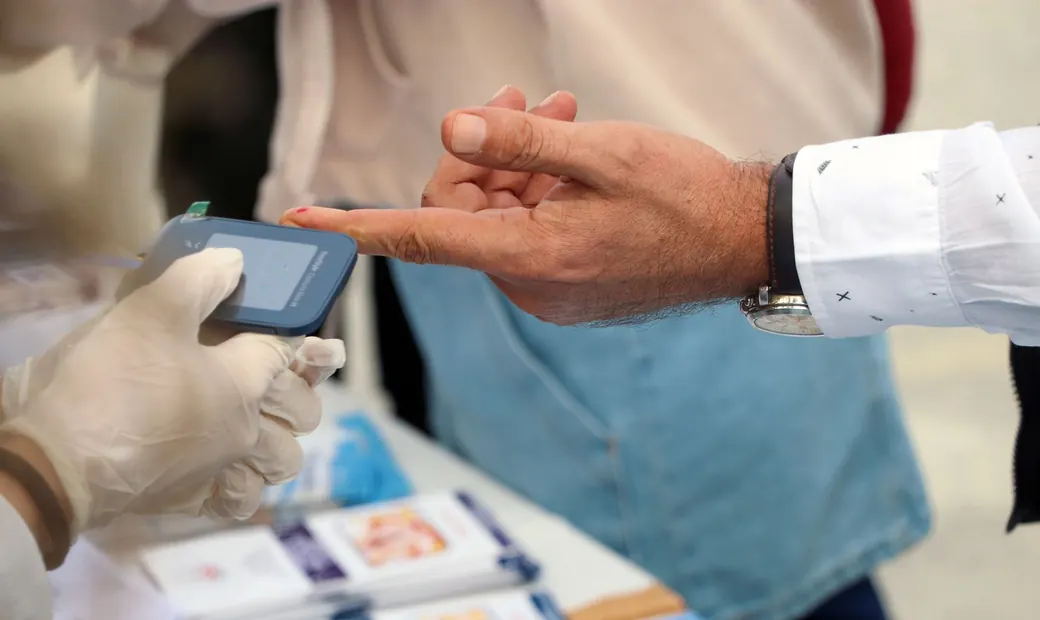
Key takeaways
- The fastest way to lower blood sugar is rapid-acting insulin, but only as part of a prescribed plan using your correction factor.
- For most people, drinking water and a gentle 15 to 30 minute walk lower blood sugar within the hour.
- If blood sugar is above about 240 mg/dL and you have ketones, do not exercise, since it can push levels higher.
- Readings at or above 300 mg/dL that do not fall, or ketones with vomiting, pain or confusion, need urgent medical care.
- Vinegar, cinnamon and berberine work over weeks at best, not minutes, and doubling diabetes tablets is risky.
A high reading on a glucose meter tends to produce the same reaction: what can I do right now to bring this down? It is a reasonable question with a more careful answer than most quick lists give. A few things do lower blood sugar within the hour, one of them can make things worse in the wrong situation, and some readings mean home remedies are the wrong move entirely. Here is the practical, safe version.
What lowers blood sugar immediately at home: the short answer
For someone on insulin, the fastest method is a correction dose of rapid-acting insulin, calculated using the correction factor agreed with their care team. It starts working within about 15 minutes. That is the only option on this list that acts that quickly, and it only applies if insulin is already part of your prescribed treatment.
For most other people, the two things that genuinely help within an hour are light physical activity and drinking water. A brisk 15 to 20 minute walk lets working muscles pull glucose out of the bloodstream, partly without needing insulin. Water supports the kidneys in clearing excess glucose and counters the dehydration that high sugar causes. Neither is dramatic, but both are real and safe for most people. The important exception is ketones, covered below, which can make exercise harmful rather than helpful.
First, check whether this is a home situation
Before trying to bring a number down, it is worth deciding whether home measures are appropriate at all. Blood sugar at or above 300 mg/dL, around 16.7 mmol/L, can signal a problem needing prompt care, according to US public health guidance. People who use insulin face a particular risk when readings climb past about 250 mg/dL, or 13.9 mmol/L, with too little insulin on board, because the body starts breaking down fat for fuel and producing ketones.
If you have type 1 diabetes, or use insulin for type 2, test for ketones when your blood sugar is above 240 to 250 mg/dL, using urine strips or a blood ketone meter. Moderate or high ketones, especially with nausea, vomiting, abdominal pain, fast breathing, a fruity smell on the breath, or confusion, can mean diabetic ketoacidosis. That is a medical emergency, not something to walk off, and it needs urgent care. People with type 2 diabetes who are older or dehydrated can also develop a dangerous high-sugar state, so persistent very high readings with drowsiness or extreme thirst warrant urgent help too.
Why walking works, and when exercise backfires
Muscle is the largest user of glucose in the body. When muscles contract, they move glucose transporters to their surface and take sugar in directly, a pathway that works even when insulin is not working well. That is why a short walk after a meal can flatten the rise that follows, and why a walk when readings are moderately high often brings them down over the next hour.
The catch applies when insulin is badly lacking. In that state, and particularly when ketones are present, exercise triggers stress hormones that tell the liver to release more glucose, while the muscles cannot use it properly. Blood sugar can rise further and ketones can build faster. The practical rule from diabetes organisations is simple: if your blood sugar is above 240 mg/dL and you have ketones, do not exercise. If there are no ketones and you feel otherwise well, gentle activity such as walking is usually fine. Intense exercise can briefly raise glucose even in healthy people, so easy is better than hard here.
Practical steps that help, in order
When a reading is higher than your target but not in the danger zone, these steps are reasonable for most adults.
- Drink water or other sugar-free fluids, particularly if you are thirsty or passing more urine than usual.
- Take a gentle walk for 15 to 30 minutes if you have no ketones and feel well.
- Take prescribed medication or insulin as your care plan instructs. Do not improvise extra doses of diabetes tablets.
- Avoid carbohydrate-heavy food and sugary drinks until readings settle. If you need to eat, choose protein, vegetables and some fat.
- Recheck in one to two hours rather than repeatedly, since glucose changes lag behind what you do.
- Write down the reading, what you ate and any illness, which helps spot the cause.
Illness deserves a special mention. Infections, even a cold, commonly push blood sugar up, and many people with diabetes have sick day rules from their care team about checking more often, keeping fluids up and adjusting medication. If you do not have those rules, ask for them before you need them.
What does not lower blood sugar fast
The internet is full of instant fixes, and most do not act within hours. Apple cider vinegar may slightly reduce the rise after a meal when taken with food, but it does not bring an already high reading down quickly. Cinnamon, berberine and chromium are studied over weeks and months, not minutes, and berberine can interact with diabetes medication. Taking a double dose of a diabetes tablet to correct a high reading is risky, since many of these drugs peak hours later and can cause low blood sugar overnight.
Cold showers, fasting all day, or intense workouts are also poor choices, for the reasons above. The unglamorous truth is that a single high reading is less important than the pattern. If your numbers are regularly above target, the solution is a review of diet, activity, medication timing and dose with your doctor, not a faster rescue technique. Continuous glucose monitors can help reveal which meals and habits push you highest.
When to get medical help
Seek urgent care or emergency help for blood sugar at or above 300 mg/dL that does not come down after your usual steps, for moderate or high ketones, or for vomiting, abdominal pain, fast or deep breathing, a fruity breath smell, confusion, extreme drowsiness or signs of severe dehydration. For children and pregnant women with diabetes, lower thresholds for calling for help apply, so follow the plan you were given.
Contact your doctor soon if you are seeing repeated high readings, if you have symptoms such as excessive thirst, frequent urination, blurred vision or unexplained weight loss without a diagnosis, or if you are unsure how to use a correction dose. This is general information rather than medical advice, and your own care plan always comes first. Used sensibly, water, a walk and prescribed treatment handle most moderately high readings; the skill is recognising the ones that need more than that.
Frequently asked questions
What lowers blood sugar immediately?
Rapid-acting insulin, if it is part of your prescribed treatment, works within about 15 minutes. Without insulin, drinking water and taking a gentle walk usually lower blood sugar within an hour.
Does drinking water lower blood sugar?
It helps. Water supports the kidneys in clearing excess glucose and counters dehydration caused by high sugar, though it works gradually rather than instantly.
Should I exercise if my blood sugar is high?
If you have no ketones and feel well, gentle walking usually helps. If your blood sugar is above about 240 mg/dL and ketones are present, do not exercise, as it can raise blood sugar further.
What blood sugar level is an emergency?
Readings at or above 300 mg/dL that do not come down, or any high reading with moderate or high ketones, vomiting, abdominal pain, fast breathing or confusion, need urgent medical care.
Does apple cider vinegar lower blood sugar fast?
Not meaningfully. It may slightly reduce the rise after a meal when taken with food, but it does not bring an existing high reading down quickly.
Read next
- Blood Sugar Spikes: Why They Happen and How to Smooth Them
Preventing the rises before they happen.
- Continuous Glucose Monitors: Helpful Tool or Wellness Hype?
How tracking can reveal what pushes your numbers up.
- How to Reverse Prediabetes With Diet: What the Evidence Shows
The long-term fix for readings that keep running high.
This article is for general informational purposes only and is not medical advice. Always consult a qualified healthcare professional about your individual situation, and never start or stop a medication without your doctor. See our Medical Disclaimer.